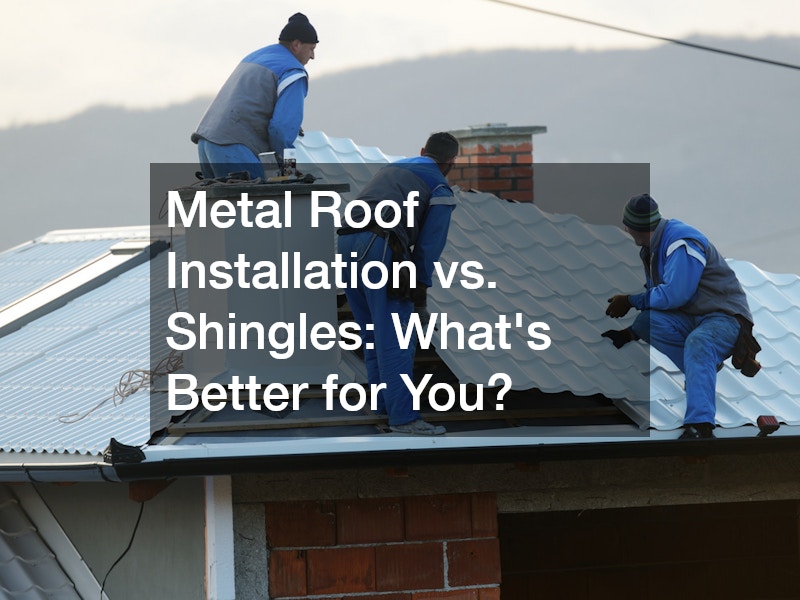
Choosing the right roofing material is a critical decision for homeowners. With options like metal roofing and shingles, it’s essential to weigh the benefits and drawbacks of each to determine the best fit for your needs. This article explores common questions and topics to help you make an informed choice on whether you should choose a metal roof installation or shingles.
1. What are the Cost Differences Between Metal Roofs and Shingles?
1.1 Initial Installation Costs
The initial installation cost of a roof can be a deciding factor for many homeowners. Metal roofs typically have a higher upfront cost compared to shingles.
The expenses are often related to the materials used and the labor involved in installation. For instance, metals such as aluminum or copper are more expensive than asphalt or wood used in shingles. Moreover, the process of installing metal roofs requires specialized skills, which can drive up the labor costs further.
On the other hand, shingle roofs, particularly asphalt shingles, are generally less costly to install. The materials are widely available and easy to work with, resulting in lower labor charges. This makes shingles an attractive option for budget-conscious homeowners. However, it’s important to consider that while cheaper initially, shingle roofs may require more frequent replacements and repairs over time.
Ultimately, determining the cost difference also involves considering the longevity and durability of each roofing type. While metal roofs demand a higher initial investment, their extended lifespan can offer better value in the long run. Therefore, while evaluating costs, it’s vital to look beyond the initial figures and consider long-term implications.
1.2 Long-Term Investment Considerations
Making a smart long-term investment requires evaluating the potential savings and benefits over time. Metal roofs are often praised for their longevity, with an average lifespan of 40 to 70 years. This means that homeowners may only need to install one metal roof in their lifetime. In contrast, shingles usually last between 15 to 30 years, often necessitating at least one replacement.
Additionally, metal roofing’s durability can lead to fewer repairs and maintenance costs. It is resistant to environmental challenges such as extreme weather, pests, and fire. This resilience can prevent the need for extensive repairs, which are sometimes necessary with shingles that may become damaged by wind, algae, or mold.
Furthermore, metal roofs can contribute to energy savings. Modern metal roofing comes with reflective coatings and are energy efficient, which can reduce cooling costs significantly by reflecting solar radiant heat away from the home. This aspect adds to its appeal as a long-term investment, despite the higher upfront cost.
2. How Do Metal Roofs and Shingles Perform in Different Climates?
2.1 Performance in Cold Climates
In cold climates, metal roofs offer several advantages. They shed snow more effectively than shingles due to their smooth surfaces, reducing the risk of ice dams, which can be a significant concern for homeowners. By minimizing snow accumulation, metal roofs prevent ice formation at the eaves, protecting the structural integrity of the roof.
Furthermore, metal roofs perform well under the weight of substantial snowfalls. Their sturdiness ensures that they won’t collapse under the pressure of heavy snow, providing peace of mind to homeowners during severe winter storms. Conversely, shingles may suffer from water damage if ice dams form and cause water seepage.
However, it’s crucial to ensure that metal roofs include proper insulation to prevent heat loss. Without adequate insulation, metal can contribute to heat loss within the home, which can increase heating costs. Therefore, a combination of quality materials and installation can enhance the performance of metal roofs in cold conditions.
2.2 Performance in Hot Climates
In hot climates, metal roofs again demonstrate distinct benefits. Their reflective coatings are effective in diverting the sun’s rays, which helps reduce cooling costs. This feature is particularly valuable where air conditioning usage is high. Shingles, by contrast, absorb more heat, which can lead to increased reliance on air conditioning units.
Moreover, metal roofs are less prone to deterioration from intense heat. They resist warping and cracking, whereas shingles may encounter heat-related issues over time, such as curling or blistering. This durability assures that homeowners won’t face frequent repairs, common with other materials in hot environments.
Nevertheless, it is essential to ensure that the installation incorporates appropriate ventilation to maximize the energy efficiency of metal roofs. Proper ventilation aids in maintaining a consistent home temperature by allowing hot air to escape, thereby complementing the reflective properties of the roof. This comprehensive approach ensures optimal performance of metal roofs under scorching conditions.
3. What is the Lifespan of Metal Roofs vs. Shingles?
3.1 Average Lifespan of Metal Roofs
The longevity of metal roofs is one of their most appealing attributes. On average, metal roofs last between 40 to 70 years. This extended lifespan is due to the inherent durability of metals and innovative manufacturing techniques that enhance resistance to damage from environmental elements.
Galvanized steel, aluminum, and copper are popular choices, each offering particular advantages. While steel and aluminum are robust and cost-effective, copper roofs, although more expensive, can last over a century if well-maintained. These choices afford homeowners flexibility, tailoring roof longevity to their budget and specific needs.
Regular maintenance, although minimal, can further improve their lifespan. Ensuring that metal roofs have protective coatings to prevent rust and corrosion is a significant factor in sustaining their integrity. With these measures, metal roofs can be a one-time investment that serves the household for generations.
3.2 Average Lifespan of Shingles
In comparison, shingles offer a shorter lifespan, typically lasting between 15 to 30 years. The lifespan varies depending on the type and quality of materials used. For example, asphalt shingles, a common choice, generally have a 20 to 25-year life expectancy, while architectural shingles may last slightly longer.
Despite being less durable than metal, shingles are appealing for their traditional appearance and affordability. Frequent advancements in shingle production, including design and material innovations, have gradually improved their durability. However, homeowners must be prepared for the possibility of sooner replacements and more frequent upkeep compared to metal roofs.
Regular maintenance is crucial for extending the life of shingle roofs. Clearing debris, checking for missing or damaged shingles, and preventing moss or algae growth are essential practices. While not as resilient as metal, consistent care can optimize the longevity of shingle roofs, ensuring they reach their full potential within their material limitations.
4. What are the Maintenance Requirements for Each Roofing Type?
4.1 Maintenance Needs for Metal Roofs
Metal roofs are celebrated for their low maintenance requirements compared to other roofing materials. They are resistant to many problems that afflict other types of roofs, such as mold, mildew, and pest infestations. However, to ensure optimal performance and longevity, some maintenance is essential.
The primary maintenance task for metal roofs involves regular inspections. These inspections focus on identifying and repairing any loose or damaged panels or fasteners. Additionally, it’s essential to examine the roof for debris accumulation, particularly in valleys or around chimneys and vents, which can affect drainage.
Furthermore, maintaining the protective coating on metal roofs is crucial to prevent rust and corrosion. This may include resealing exposed areas or reapplying a protective finish when signs of wear appear. Consistent maintenance will ensure that metal roofs continue to perform and provide protection for several decades.
4.2 Maintenance Needs for Shingles
Shingle roofs require more frequent maintenance to address issues that can arise from weather exposure and material aging. Regular inspections are vital to detect problems such as missing, curling, or damaged shingles that may lead to leaks if left unaddressed.
Debris removal, particularly from gutters and downspouts, is a routine task necessary to prevent water backup and damage. In addition, removing moss, algae, and mildew is essential to preserve the roof’s appearance and integrity. This includes treatments or specific roof cleaning products to avoid further damage.
Moreover, it’s important to examine the flashing and seals around roof penetrations, like chimneys and vents, as these areas are susceptible to leaks. By proactively addressing these maintenance tasks, homeowners can extend the lifespan of shingle roofs and reduce the likelihood of significant repairs.
5. How Do Aesthetics and Style Options Compare?
5.1 Style Varieties for Metal Roofs
Metal roofs offer an impressive array of styles and colors, catering to diverse architectural preferences. Homeowners can choose from classic standing seam profiles to more contemporary options such as metal tiles, shakes, and slate styles. These can replicate the appearance of traditional materials while providing the benefits of metal’s durability.
The versatility of metal allows for customization, with manufacturers offering multiple color finishes and textures. This flexibility means metal roofs can complement a variety of home designs, from traditional to modern, adding curb appeal while ensuring long-lasting performance.
Additionally, technological advancements have enabled the development of metal roofs with enhanced aesthetic features. For instance, stone-coated metal roofs mimic the appearance of traditional clay tiles or wood shakes, offering a sophisticated look without the maintenance drawbacks associated with those materials.
5.2 Style Varieties for Shingles
Shingles, particularly asphalt shingles, also present numerous style options. They are available in a wide range of colors and designs, enabling homeowners to achieve the desired aesthetic for their homes. Architectural shingles, for instance, offer three-dimensional patterns and distinctive shadow lines for added depth and character.
In addition to asphalt, shingles made from higher-end materials such as slate or wood offer unique aesthetics that can enhance the appearance of historical or traditional homes. However, these materials come with increased weight and cost considerations, which require careful planning.
While shingles provide diverse stylistic options, they may require more frequent updates and replacements compared to metal. Yet, their affordability and classic look make them a popular choice for homeowners seeking an economical way to achieve their preferred aesthetic vision.
Conclusion
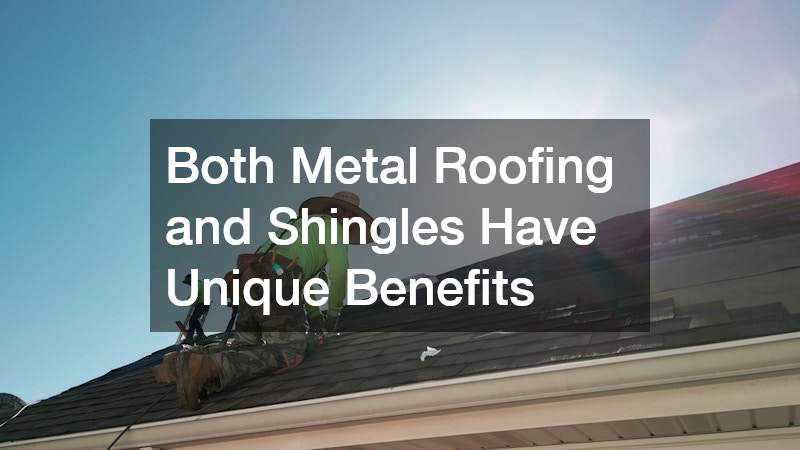
Both metal roofing and shingles have unique benefits and possible drawbacks. Your choice will depend on various factors such as budget, climate, longevity, maintenance, and personal style preferences. By examining each aspect in detail, homeowners can confidently decide which roofing material best matches their needs and lifestyle.