
A general contractor plays a central role in transforming business construction plans into completed, functional spaces. While many people associate contractors with physical building work alone, their responsibilities extend far beyond what is visible on a job site. Businesses rely on general contractors to coordinate planning, manage logistics, and maintain consistency from the earliest design discussions through final completion. This oversight allows business owners to focus on operations while trusting that construction activities remain organized and aligned with broader goals.
Commercial projects often involve multiple moving parts, including timelines, materials, inspections, and workforce coordination. Without a single point of accountability, even well-funded projects can face costly delays or miscommunication. A general contractor provides structure by aligning each phase of the build with realistic expectations and regulatory requirements. This leadership role helps prevent fragmented decision-making and reduces the likelihood of errors that can disrupt schedules or inflate costs.

Project Planning and Preconstruction Oversight
Effective construction begins long before ground is broken, and project planning is one of the most valuable services a general contractor provides. During the preconstruction phase, goals are clarified, timelines are established, and potential obstacles are identified early. This stage sets expectations for everyone involved and creates a roadmap that guides decisions throughout the project. Careful planning reduces uncertainty and helps businesses move forward with confidence.
Preconstruction oversight also involves coordinating with designers, engineers, and suppliers to align scope and feasibility. Cost estimates, scheduling forecasts, and material considerations are evaluated together rather than in isolation. This collaborative approach helps prevent scope creep and ensures that plans remain realistic within budget and timeline constraints. Businesses benefit from fewer surprises once construction begins, which supports smoother execution and more predictable outcomes.
An experienced industrial contractor often brings added value during this phase by understanding how large-scale or specialized environments operate. Their familiarity with industrial standards, safety requirements, and workflow considerations allows them to anticipate challenges that may not be obvious during design alone. By addressing these factors upfront, the project plan becomes more resilient.
Coordination of Trades and Subcontractors
Construction projects depend on the work of many specialized trades, and coordinating their efforts is a core responsibility of a general contractor. Electricians, plumbers, carpenters, and other professionals must complete tasks in a precise sequence to avoid conflicts and delays. Without clear coordination, one trade’s work can interfere with another’s progress, creating inefficiencies that ripple through the entire schedule. A general contractor acts as the central organizer, keeping everyone aligned.
Effective coordination involves scheduling tasks logically, verifying readiness before work begins, and resolving conflicts quickly when they arise. Clear communication helps subcontractors understand expectations, deadlines, and dependencies. This structure allows each trade to work efficiently while maintaining overall project momentum. Businesses benefit from fewer disruptions and a smoother workflow, which supports faster completion and cost control.
Projects that involve remodeling require especially careful coordination, since work often occurs within existing structures or occupied spaces. Sequencing becomes critical to limit downtime and protect surrounding areas from damage. A general contractor manages these complexities by planning transitions between trades and adjusting schedules as conditions change.
Budget Management and Cost Control
Managing a construction budget is one of the most critical responsibilities a general contractor handles on behalf of a business. Costs can escalate quickly when materials fluctuate in price, timelines shift, or unforeseen issues arise. A general contractor establishes financial controls early in the process to help keep spending aligned with the original plan. This includes developing accurate estimates, tracking expenses in real time, and identifying potential cost risks before they become major problems.
Strong budget management also requires balancing quality with cost efficiency. Cutting corners may reduce short-term expenses, but it can introduce long-term liabilities that affect building performance and maintenance costs. General contractors help businesses evaluate trade-offs and prioritize spending where it matters most. Their experience allows them to recognize where savings can be achieved without compromising durability, safety, or compliance. This strategic approach supports better financial outcomes across the entire project lifecycle.
Unexpected structural issues are one of the most common causes of budget disruption, especially in older or previously modified buildings. Situations that require repair foundation work can significantly affect costs if not addressed promptly and correctly. A general contractor anticipates these possibilities and builds contingencies into the budget. When issues arise, they coordinate solutions efficiently to prevent delays and limit financial impact.
Scheduling and Timeline Coordination
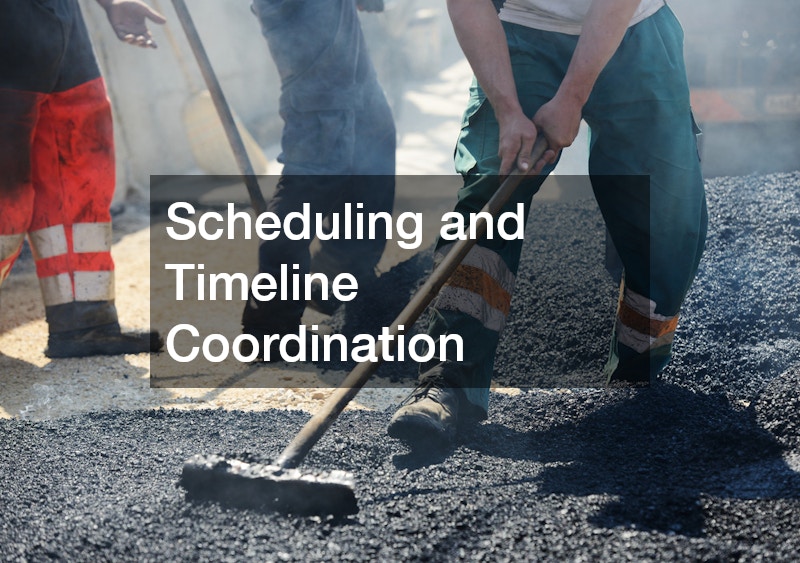
Time management is just as important as budget control in commercial construction. Delays can interrupt business operations, affect revenue, and create cascading scheduling conflicts among trades. A general contractor develops a realistic timeline that accounts for task dependencies, material availability, inspections, and weather considerations. This schedule serves as a central reference point for everyone involved in the project.
Ongoing timeline coordination requires constant monitoring and adjustment. As work progresses, conditions may change, requiring updates to sequencing or resource allocation. A general contractor evaluates these changes and communicates revisions clearly to keep momentum moving forward. Their oversight helps prevent bottlenecks and reduces downtime between phases. Businesses benefit from predictable progress and clearer expectations around completion dates.
Certain project elements require particularly careful scheduling because they affect access, safety, or site usability. Coordination with a paving company is often a key factor when exterior work intersects with deliveries, parking, or customer access. Timing these activities properly helps minimize disruption and keeps the project aligned with operational needs.
Permitting and Regulatory Compliance
Navigating permits and regulatory requirements can be one of the most challenging aspects of a construction project. Local, state, and federal regulations govern everything from structural standards to environmental considerations. A general contractor takes responsibility for understanding and managing these requirements, helping businesses avoid fines, delays, or failed inspections. Compliance planning begins early and continues throughout the project.
Effective permit management involves coordinating documentation, scheduling inspections, and verifying that work meets applicable codes. General contractors maintain relationships with inspectors and regulatory offices, which helps streamline approvals and reduce uncertainty. This oversight allows businesses to move through each phase of construction with confidence, knowing that requirements are being addressed systematically rather than reactively.
Certain scopes of work carry heightened compliance considerations due to safety and performance standards. Projects involving roof repair often require careful adherence to local building codes, load requirements, and material specifications. A general contractor ensures that these standards are met and documented properly.
Quality Control and Workmanship Standards
Quality control is essential to delivering a finished project that meets both functional requirements and professional expectations. Businesses rely on general contractors to monitor workmanship across every phase of construction, confirming that materials, methods, and finishes align with agreed-upon standards. Consistent oversight helps catch issues early, when corrections are easier and less costly. This attention to detail protects the integrity of the project and reinforces confidence in the final result.
Workmanship standards also influence long-term durability and maintenance needs. Poor execution can lead to premature wear, safety concerns, or recurring repairs that disrupt operations. A general contractor establishes benchmarks for quality and verifies that subcontractors meet those benchmarks consistently. Inspections, progress reviews, and documented approvals all contribute to maintaining accountability. This structured approach supports predictable outcomes and reduces post-completion issues.
Finishing work often shapes a business’s first impression of the completed space, which makes coordination with painting services especially important. Clean lines, uniform coverage, and proper surface preparation reflect overall build quality. A general contractor reviews this work carefully to confirm that finishes complement the broader project goals.

Risk Management and Job Site Safety
Construction environments involve inherent risks, making safety management a critical responsibility for a general contractor. From equipment operation to material handling, each phase presents potential hazards that must be addressed proactively. Businesses depend on contractors to implement safety protocols that protect workers, visitors, and surrounding property. Effective risk management reduces accidents, limits liability, and helps projects progress without interruption.
Safety planning begins before work starts and continues daily throughout construction. General contractors establish site-specific safety plans, conduct regular inspections, and confirm that all workers follow established procedures. Clear signage, controlled access points, and proper training help maintain order on active job sites. This structure supports compliance with regulations while fostering a culture of accountability and awareness.
Certain exterior improvements require heightened attention due to heavy equipment and site access concerns. Projects involving brick driveway installation introduce risks related to excavation, machinery, and pedestrian pathways. A general contractor coordinates these activities carefully to prevent accidents and maintain safe movement around the site.
Communication Between Stakeholders
Clear communication is one of the most valuable services a general contractor provides. Construction projects involve business owners, designers, inspectors, and multiple trades, all with different priorities and responsibilities. Without structured communication, misunderstandings can lead to delays, rework, or misaligned expectations. A general contractor acts as the central point of contact, keeping everyone informed and aligned.
Effective communication includes regular updates, clear documentation, and timely responses to questions or changes. Contractors translate technical details into practical information that business owners can understand, supporting informed decision-making. When issues arise, open communication allows for quicker resolution and reduces frustration. This transparency builds trust and keeps projects moving forward efficiently.
Projects that involve interior upgrades often require close collaboration to balance design goals with operational needs. A kitchen renovation, for example, may affect workflow, utilities, and scheduling within a business environment. A general contractor facilitates discussions between stakeholders to coordinate timing and execution.
Problem Solving During Construction
Unexpected challenges are almost inevitable in construction projects, especially when working within existing structures or tight operational constraints. Businesses rely on general contractors to identify issues quickly and implement practical solutions without derailing progress. Problem solving during construction requires a balance of technical knowledge, experience, and clear decision-making. When obstacles arise, a contractor’s ability to assess options and act decisively helps maintain momentum and protect project goals.
Effective problem solving also depends on preparation and adaptability. General contractors anticipate common challenges and develop contingency plans that can be activated when conditions change. This approach reduces downtime and prevents minor issues from escalating into costly delays. Open communication with stakeholders allows solutions to be evaluated collaboratively, supporting outcomes that align with both functional and budgetary priorities.
Interior finish work often reveals hidden complications that require immediate attention. Situations involving carpet installation may uncover uneven subfloors, moisture concerns, or sequencing conflicts with other trades. A general contractor coordinates corrective measures efficiently, keeping the schedule intact while preserving quality standards.

Project Closeout and Final Inspections
The final phase of a construction project is just as important as the planning and execution stages. Project closeout involves verifying that all work meets contractual requirements, regulatory standards, and business expectations. A general contractor manages this process by coordinating inspections, addressing punch-list items, and confirming that documentation is complete. This structured approach helps businesses transition smoothly into using their new or renovated space.
Final inspections serve as an opportunity to confirm quality, safety, and compliance before occupancy. General contractors work closely with inspectors and subcontractors to resolve outstanding issues efficiently. This attention to detail reduces the risk of post-occupancy problems and supports long-term reliability. Businesses benefit from knowing that systems, finishes, and structural elements have been reviewed thoroughly.
Exterior features are also evaluated during closeout to confirm functionality and durability. Elements such as wood fences are inspected for proper installation, alignment, and stability. A general contractor verifies that these features meet specifications and complement the overall project. Thorough closeout procedures provide confidence that the project is complete, compliant, and ready for use.
General contractors play a critical role in guiding construction projects from concept to completion. Their responsibilities extend beyond managing labor and materials to include planning, coordination, quality control, and communication. Businesses rely on this comprehensive oversight to reduce risk, maintain schedules, and control costs. By serving as a single point of accountability, general contractors help streamline complex processes that would otherwise be difficult to manage.
Each phase of a project benefits from experienced leadership. From early planning and trade coordination to safety management and problem solving, general contractors bring structure and clarity to construction efforts. Their involvement supports informed decision-making and helps businesses adapt to challenges without losing focus on long-term objectives. This consistency is especially valuable in commercial environments where time and reliability directly affect operations.