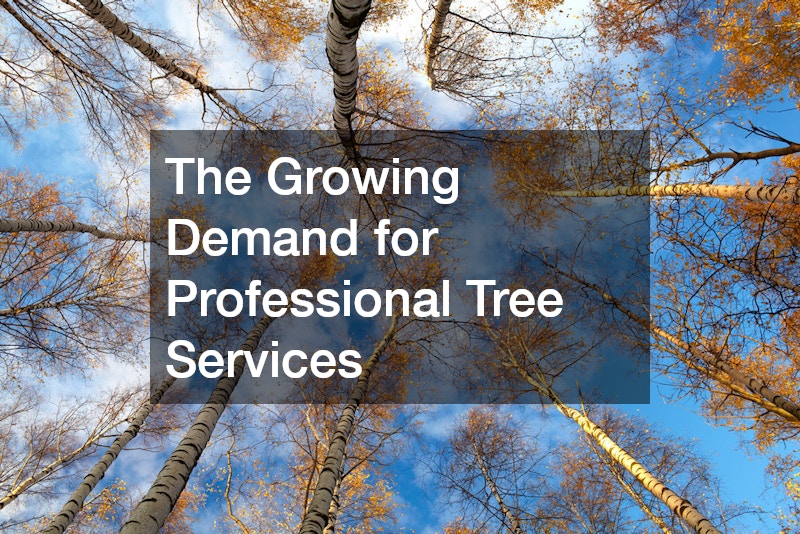
The demand for professional tree services has grown steadily in recent years as homeowners, businesses, and municipalities place greater emphasis on property maintenance, safety, and environmental responsibility. Trees provide shade, improve air quality, and enhance curb appeal, but they also require ongoing care to remain healthy and structurally sound. As communities expand and severe weather events become more frequent, the need for skilled professionals to manage tree-related risks has become increasingly apparent. Property owners are recognizing that proactive maintenance is often more cost-effective than responding to emergencies after damage occurs.
Urban growth has also contributed to this rising demand. New construction projects frequently require land clearing, strategic planting, and long-term landscape planning. At the same time, mature neighborhoods face aging trees that may present hazards if left unattended. Dead limbs, overgrown branches, and diseased trunks can threaten nearby homes, vehicles, and power lines. These risks have prompted more individuals to seek professional assessments rather than relying on do-it-yourself approaches.
Additionally, increased awareness of environmental sustainability has shifted the conversation around tree management. Rather than removing trees unnecessarily, property owners now prioritize preservation, health monitoring, and strategic pruning. Professional services offer the expertise required to balance safety with ecological responsibility. As a result, the tree service industry continues to expand, adapting to changing community needs while maintaining a focus on safety, compliance, and long-term landscape health.
Increasing Awareness of Tree Health and Safety
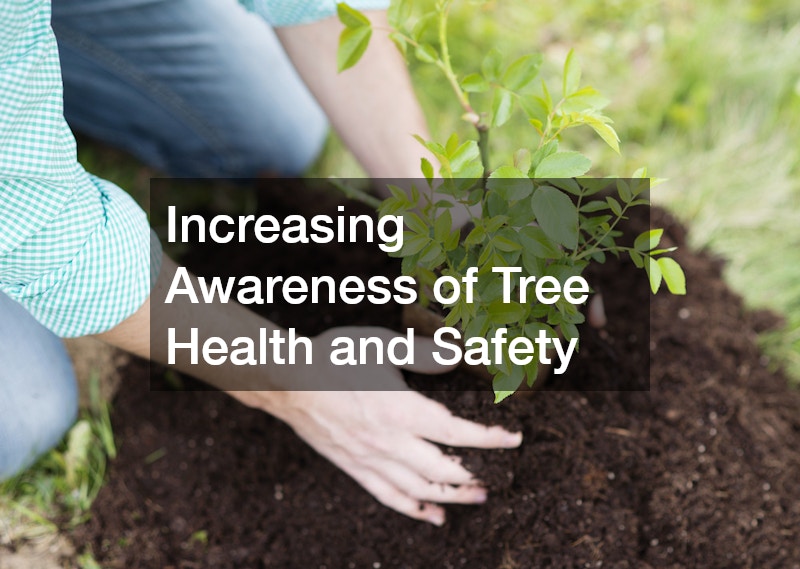
Public awareness of tree health and structural safety has increased significantly over the past decade. Homeowners are becoming more educated about the signs of disease, decay, and instability that can compromise a tree’s integrity. Issues such as fungal growth, hollow trunks, leaning stems, and dead branches are now more widely recognized as potential warning signs. Rather than waiting for a tree to fall or cause damage, many property owners are taking preventative steps to address concerns early. This shift toward proactive care reflects a broader understanding of the importance of maintaining healthy landscapes.
More specifically, individuals are turning to a tree care company for professional evaluations and routine maintenance. Certified arborists can assess root systems, canopy structure, and overall vitality to determine whether intervention is necessary. Through targeted pruning, fertilization, and pest management, professionals help extend the lifespan of mature trees while reducing safety risks. Regular inspections also allow property owners to plan for future maintenance rather than facing unexpected emergencies. As awareness continues to grow, professional expertise has become an essential part of responsible property management.
Expanding Urban Development and Landscaping Needs
Rapid urban development has created new challenges and opportunities for landscape management. As residential and commercial properties continue to expand, trees are often integrated into site designs to enhance aesthetics and environmental value. However, increased construction activity can disrupt root systems and soil stability, placing stress on surrounding vegetation. Careful planning is necessary to preserve existing trees while accommodating new infrastructure. This balance has led to a growing reliance on professionals who understand both construction demands and landscape preservation.
On a more specific level, property developers and homeowners frequently hire a tree service to manage clearing, planting, and long-term maintenance. These professionals evaluate which trees can be safely retained and which require removal to support structural development. Strategic pruning ensures adequate clearance for buildings, walkways, and utility lines. In addition, proper planting techniques improve survival rates for new trees introduced during development projects. As communities continue to grow, the integration of professional expertise into landscaping and construction plans has become increasingly vital to maintaining safe and sustainable environments.
Rising Concerns About Storm Damage Prevention
Severe weather events have become more frequent and unpredictable in many regions, increasing concerns about the vulnerability of trees during storms. High winds, heavy rain, ice accumulation, and lightning strikes can weaken branches and uproot entire trees. When trees are not properly maintained, they are more likely to cause damage to homes, vehicles, and utility lines. As a result, property owners are placing greater emphasis on preventative measures that reduce risk before extreme weather strikes. Proactive inspections and structural pruning are now viewed as essential components of responsible landscape management.
On a more specific level, many homeowners seek professional support for storm damage repair to address hazards quickly and safely after severe weather. Fallen limbs and split trunks require careful removal to prevent further harm to surrounding property. Professionals assess whether damaged trees can be restored through pruning and bracing or whether full removal is necessary. In addition to cleanup, experts often recommend preventative trimming strategies to reduce wind resistance and improve structural stability. By investing in both preventative care and professional response services, property owners can better protect their homes and landscapes from the unpredictable impact of storms.
Strengthening Property Value and Curb Appeal
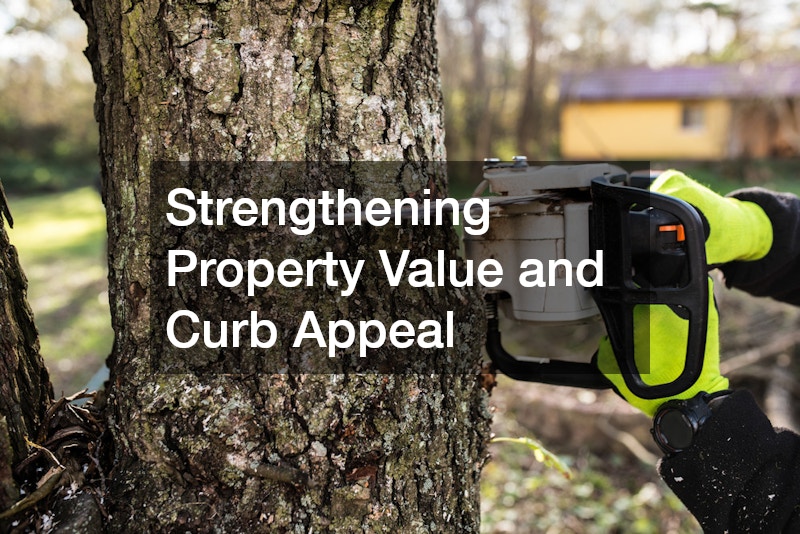
Well-maintained trees significantly enhance the appearance and value of residential and commercial properties. Healthy trees provide shade, create visual interest, and frame buildings in a way that improves overall presentation. Conversely, overgrown or neglected trees can detract from curb appeal and suggest poor maintenance. As real estate markets remain competitive, many property owners recognize the role that professional tree care plays in protecting their investment. Attractive landscapes often contribute to higher resale values and stronger buyer interest.
More specifically, routine tree trimming helps maintain a polished and balanced appearance. Removing dead or overextended branches encourages healthier growth while preventing limbs from interfering with roofs, driveways, and walkways. Properly trimmed trees also allow more natural light to reach lawns and garden beds, improving the health of surrounding plants. In addition to aesthetic benefits, strategic pruning reduces the likelihood of branches breaking during storms. By prioritizing regular trimming, property owners strengthen both the visual appeal and structural safety of their landscape.
Prioritizing Preventative Maintenance Strategies
Preventative maintenance has become a central focus in modern property management. Rather than reacting to emergencies after damage occurs, many homeowners now schedule regular inspections and maintenance to reduce long-term risks. Early identification of disease, pest infestations, and structural weaknesses allows for timely intervention. This proactive approach not only extends the lifespan of trees but also minimizes the likelihood of costly repairs in the future.
On a more detailed level, working with a reputable tree company enables property owners to establish ongoing care plans tailored to their landscape. These plans may include seasonal pruning, soil testing, fertilization, and health monitoring. Professionals track growth patterns and environmental changes that could affect tree stability. Consistent maintenance also supports compliance with local regulations regarding overhanging branches and property boundaries. By investing in preventative strategies, property owners create safer outdoor environments while preserving the long-term beauty and function of their trees.
Addressing Environmental and Sustainability Goals
Environmental responsibility has become an increasingly important factor in property management decisions. Trees play a vital role in improving air quality, reducing urban heat, supporting wildlife habitats, and managing stormwater runoff. As sustainability initiatives gain momentum, property owners are seeking ways to maintain healthy tree populations while minimizing unnecessary removal. Thoughtful tree management contributes to ecological balance and long-term environmental health. This growing awareness has strengthened the demand for professionals who understand how to preserve trees while addressing safety and structural concerns.
From a more specific standpoint, strategic tree removals are sometimes necessary when trees are diseased, invasive, or structurally unsound. Removing hazardous or declining trees can prevent the spread of disease to surrounding vegetation and reduce safety risks. However, responsible removal also involves replanting strategies and soil restoration to maintain environmental benefits. Professionals evaluate each situation carefully, recommending removal only when preservation is no longer viable. By combining sustainability goals with informed decision-making, property owners can protect both their landscapes and the broader ecosystem.
Meeting Local Regulations and Compliance Standards
Local governments often establish regulations governing tree preservation, removal, and property maintenance. These rules are designed to protect community safety, maintain environmental standards, and prevent unnecessary deforestation. Property owners must understand permit requirements, protected species regulations, and boundary guidelines before performing significant work. Failure to comply can result in fines, project delays, or legal disputes. As regulatory oversight increases, professional guidance has become more valuable.
On a more detailed level, working with a qualified tree removal service helps ensure that projects meet municipal requirements. Professionals are familiar with local permitting processes and documentation standards. They assess whether permits are required before proceeding with large-scale removals or significant pruning. Proper documentation also supports insurance claims and liability protection if disputes arise. By prioritizing compliance, property owners reduce risk and demonstrate responsible stewardship of their land.
Adopting Advanced Equipment and Technology
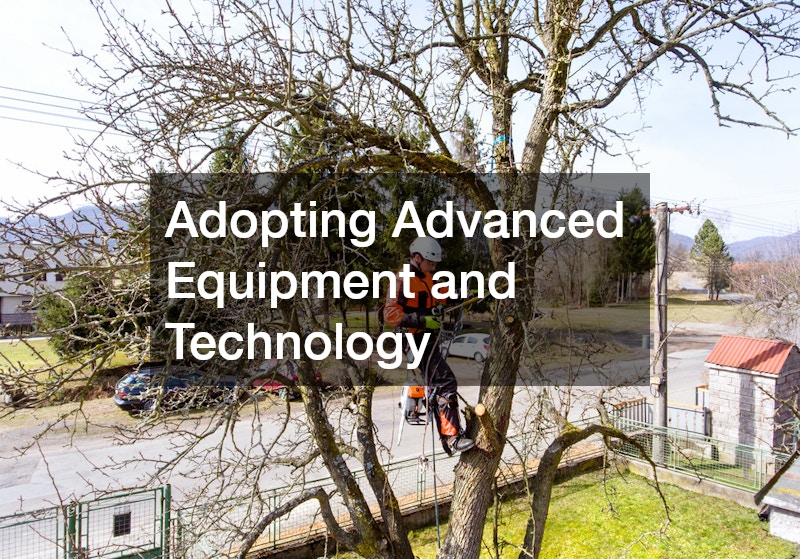
Advancements in equipment and technology have transformed the tree service industry in recent years. Modern tools improve efficiency, precision, and safety during complex projects. Aerial lifts, specialized rigging systems, and advanced cutting equipment allow crews to manage large trees with greater control. Technology has also enhanced diagnostic capabilities, enabling professionals to detect internal decay or structural weaknesses before visible symptoms appear. These innovations contribute to higher service standards and improved outcomes.
Specifically, a professional tree removal company often invests in specialized machinery designed for safe and efficient operations. Crane-assisted removals and remote-controlled equipment reduce manual labor risks and improve accuracy. Digital mapping tools and software assist with project planning and hazard assessment. This level of technological integration allows professionals to complete work more efficiently while minimizing disruption to surrounding property. As technology continues to evolve, it reinforces the value of hiring trained experts who can operate advanced equipment safely and effectively.
Enhancing Safety Through Professional Expertise
Safety remains one of the primary reasons property owners seek professional tree services. Trees that are improperly maintained can pose serious hazards, especially when branches hang over structures, sidewalks, or power lines. Attempting to handle complex tree work without proper training or equipment increases the risk of injury and property damage. Professional oversight helps ensure that potential dangers are identified and resolved before they escalate. As awareness of these risks grows, more individuals are recognizing the importance of skilled intervention.
On a more specific level, situations involving fallen trees or compromised structures often require immediate damage repair to prevent further complications. Professionals assess the extent of the impact, stabilize affected areas, and remove hazardous debris with precision. Their training allows them to navigate tight spaces and manage heavy limbs safely. In addition to addressing visible concerns, experts evaluate surrounding trees to determine whether additional risks exist. By relying on experienced professionals, property owners protect both their families and their investments from preventable harm.
Supporting Long-Term Landscape Management
Long-term landscape management involves more than occasional trimming or emergency removal. It requires strategic planning that considers tree maturity, growth patterns, and overall property design. As trees grow, they interact with buildings, driveways, and other landscape features. Ongoing oversight helps maintain balance between aesthetic appeal and structural safety. Property owners who invest in long-term strategies are better positioned to avoid unexpected costs and preserve the health of their outdoor spaces.
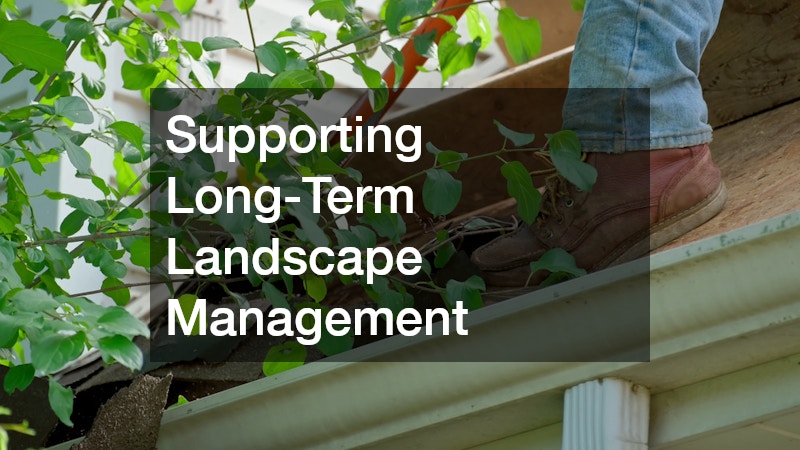
More specifically, overgrown branches that extend toward structures can create risks that extend beyond the landscape itself. When limbs scrape shingles or trap moisture against roofing materials, they may contribute to deterioration that leads to roof repair needs. Managing canopy growth reduces debris accumulation and improves airflow around the home. Regular evaluations allow professionals to anticipate future conflicts between trees and structures before damage occurs. By taking a proactive approach to landscape management, property owners maintain both the beauty and integrity of their properties.
The growing demand for professional tree services reflects a broader shift toward proactive property management and environmental responsibility. As communities expand and severe weather events become more common, the importance of maintaining healthy, structurally sound trees has become increasingly clear. From improving curb appeal and property value to protecting homes from storm damage, professional expertise plays a vital role in safeguarding both landscapes and structures. Tree management is no longer viewed as an occasional task but as an essential component of long-term property care.
By investing in preventative maintenance, regulatory compliance, advanced technology, and skilled safety practices, property owners reduce risk and promote sustainability. Professional services provide the knowledge and equipment necessary to address both immediate concerns and future growth challenges. As awareness continues to rise, the tree service industry will remain a critical partner in supporting safe, attractive, and environmentally responsible communities.