
Commercial real estate demands continuous attention because physical structures face constant weather exposure, heavy foot traffic, and changing tenant expectations. When property managers prioritize building facade repairs, they protect the physical strength of their investment while projecting professionalism to visitors. Exterior masonry, precast panels, and glass curtain walls endure relentless temperature swings, driving rain, and strong winds. Small hairline fractures in concrete panels or degraded mortar joints may appear harmless at first glance, but moisture intrusion quickly accelerates internal damage. Rust blooms on structural steel rebar, freeze-thaw cycles expand minuscule voids, and water migrates into insulation cavities. Facility directors who schedule regular inspections uncover these vulnerabilities long before loose architectural elements present safety hazards to pedestrians below.
Water always finds a way in. When building facade repairs are completed by experienced exterior restoration specialists, the scope of work often includes tuckpointing, sealant replacement, elastomeric waterproof coatings, and flashing adjustments. These targeted interventions stop moisture from rotting internal framing and ruining interior drywall. Beyond moisture defense, a clean exterior directly supports leasing rates and tenant retention. Prospective retail operators and commercial tenants judge management quality by the condition of the outer envelope. Peeling coatings, cracked lintels, and water-stained spandrels suggest neglect. Keeping the outer skin sound and polished safeguards equity, reduces insurance liability, and sets a high standard for operational care across the entire commercial facility.
Ground-Level Flatwork and Pavement Infrastructure
Ground-level hardscapes establish the literal pathway for vehicular and foot traffic entering any commercial development. Enlisting a skilled commercial concrete company ensures that sidewalks, curbs, loading docks, and exterior flatwork remain durable under punishing conditions. Heavy delivery trucks, forklifts, and relentless customer turnover exert immense pressure on entry aprons and service bays. Subbase settlement, improper joint placement, or inadequate rebar reinforcement can lead to settling slabs, wide cracks, and uneven tripping hazards. When these conditions develop, commercial property managers face potential insurance claims and accessibility compliance citations.
Skilled concrete trades understand how regional soil dynamics and heavy axle loads dictate slab thickness, compressive strength, and cure times. Working alongside an established commercial concrete company allows property managers to execute planned repairs without paralyzing daily business operations. Projects can be phased across off-peak hours or weekends to keep parking stalls, pedestrian ramps, and freight docks accessible. Regular inspections of expansion joints and surface sealants prevent water from undermining the subgrade beneath high-traffic slabs. By addressing spalling edges and sunken walkways early, facilities teams protect vehicles from suspension damage, ensure smooth cart transit, and provide safe, barrier-free passage for employees, clients, and freight handlers.
Overhead Protection and Roofing Assets
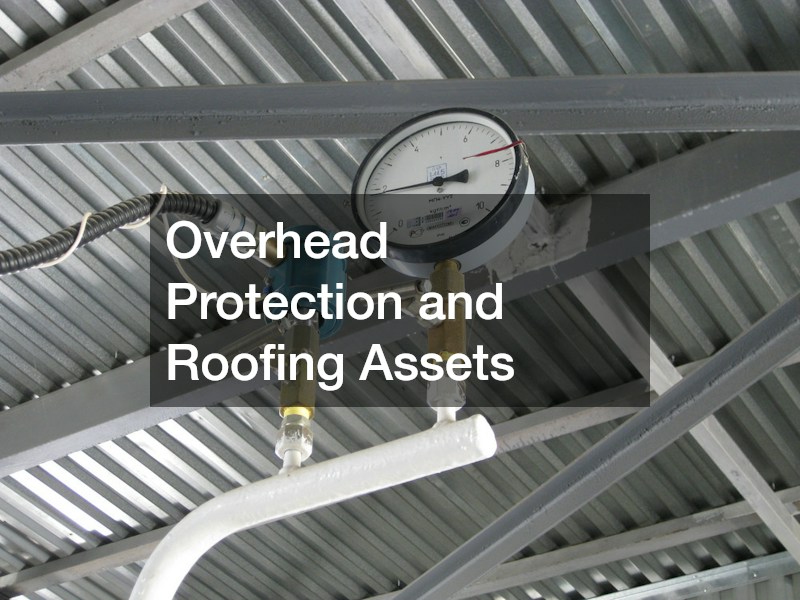
Roof systems represent one of the most substantial capital investments in any commercial structure, yet they frequently suffer from an out-of-sight, out-of-mind mentality. Partnering with a reliable commercial roofing company helps building owners extend membrane life spans and avoid catastrophic interior disruptions. Commercial roofs face severe thermal shock, ultraviolet degradation, standing ponding water, and rooftop foot traffic from mechanical technicians. Whether a building utilizes single-ply TPO, EPDM, modified bitumen, or standing seam metal, regular inspections catch loose seams, punctured flashings, and clogged scuppers before interior ceilings show water rings.
Roof leaks rarely fix themselves. A seasoned commercial roofing company brings specialized diagnostic tools, including thermal imaging cameras and electronic leak detection, to pinpoint trapped moisture under roof insulation. Identifying wet insulation early allows maintenance crews to perform targeted core repairs rather than replacing entire roof sections prematurely. Detailed roof inspection reports also supply documented proof of maintenance, which insurance carriers frequently demand during claim reviews following hail storms or severe gales. When property directors maintain clear records and schedule biannual service visits, they can add years of dependable life to existing roof assemblies, protecting tenant inventories, sensitive electronic equipment, and ongoing business revenue.
Winter Grounds Management and Ice Safety
Cold climates introduce distinct operational hurdles that directly threaten customer safety and supply chain logistics. Contracting a qualified commercial snow removal provider long before the initial freeze prevents sudden blizzards from shutting down business operations. Snow accumulation, black ice, and freezing rain transform parking lots, pedestrian ramps, and delivery zones into hazardous obstacle courses. Slip-and-fall incidents spike during winter months, driving substantial personal injury claims that burden property owners with higher liability premiums. Having a dependable crew with appropriate heavy equipment guarantees that properties are cleared and salted before morning commuter rushes.
Preparedness separates successful winter management from costly chaos. An effective commercial snow removal partner develops a site-specific operational map long before the first snowflake hits the ground. This plan designates snow storage zones away from fire hydrants, handicapped stalls, and pedestrian sightlines. It also accounts for salt drainage to minimize chemical runoff into delicate landscape beds and adjacent waterways. Operators utilize skid steers, front-end loaders with pushers, and precision salters to treat high-traffic zones without scraping asphalt curbs or dislodging decorative pavers. When cold fronts strike, reliable snow operators monitor meteorological data around the clock, providing timely pre-treatment applications that prevent ice from bonding directly to frozen pavement.
Water Infrastructure and Interior Piping Reliability
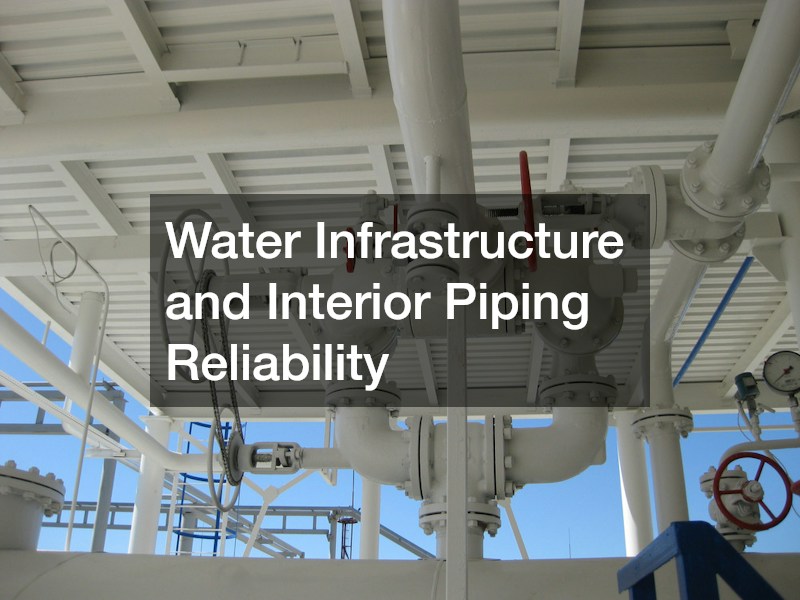
Behind the drywall and utility chases of commercial properties lies an intricate web of supply lines, backflow preventers, and waste drains. Calling an experienced plumber at the first indication of drainage resistance or fluctuating water pressure protects buildings from costly structural water damage and health code violations. Commercial restrooms, industrial breakrooms, and processing facilities see continuous usage that far exceeds residential wear. Flush valves fail, grease traps overflow if neglected, and hidden pinhole leaks in copper supply lines can quietly saturate subflooring and drywall. When water breaches building envelopes from the inside, mold spores proliferate rapidly, creating serious indoor environmental liabilities.
Drain issues never improve with age. A commercial plumbing contractor provides specialized capabilities that internal maintenance handymen simply cannot replicate. High-definition drain camera inspections trace underground sewer pipes beneath concrete foundations, pinpointing root intrusion, pipe belly sagging, or collapsed terra cotta lines. Hydro-jetting equipment scours mineral scale and grease accumulation from main lines, restoring full hydraulic capacity without invasive digging. At the same time, commercial properties must undergo mandatory annual backflow testing to ensure cross-connection hazards do not siphon stagnant water back into municipal drinking supplies. By establishing a routine service contract with a certified plumber, property managers secure immediate emergency response protocols, minimizing operational downtime during unexpected pipe bursts or sewer backups.
Electrical Infrastructure and Power Demands
Modern commercial properties consume massive amounts of electrical power to support server rooms, variable refrigerant flow systems, high-intensity interior lighting, and tenant machinery. Contracting an experienced electrical service ensures that switchgear, panels, and distribution circuits handle fluctuating power demands safely and efficiently. Aging panel boards, overloaded breakers, and loose terminal connections generate thermal heat, which ranks among the primary ignition sources for commercial building fires. Regular electrical maintenance programs involve infrared thermographic scanning of distribution panels, identifying hot spots caused by unbalanced loads or loose wiring before catastrophic component failure triggers a facility blackout.
Modern businesses depend entirely on clean, uninterrupted power. Enlisting a dependable electrical service also positions commercial facilities to accommodate modern technology upgrades and regional energy efficiency mandates. Facilities are rapidly retrofitting outdated fluorescent fixtures with automated LED arrays, installing dedicated circuits for electric vehicle charging stations, and integrating emergency backup generators. Certified electricians calibrate main distribution transformers, test emergency lighting batteries, and verify that automatic transfer switches engage instantly during municipal power outages. When property teams maintain tight control over their electrical infrastructure, they protect expensive tenant machinery from transient power surges, avoid code non-compliance fines, and provide safe, reliable illumination for all facility occupants.
Indoor Air Quality and HVAC Distribution Hygiene
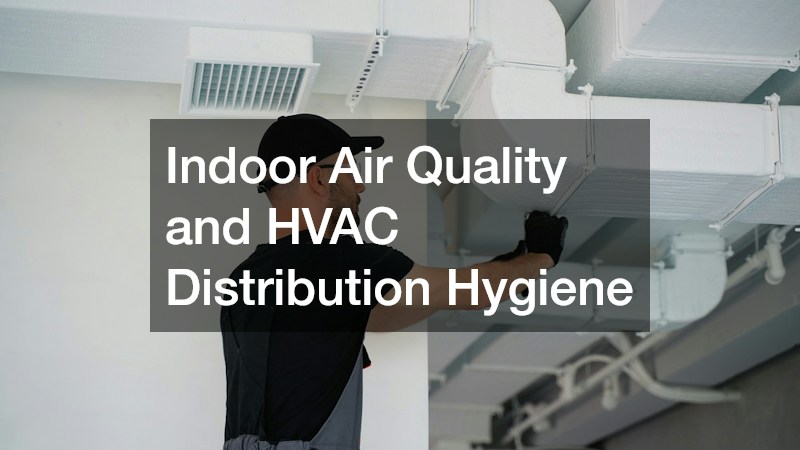
Indoor environmental quality directly influences occupant comfort, employee productivity, and overall tenant satisfaction. Engaging a specialized commercial duct cleaning service helps building managers maintain healthy interior atmospheres by purging accumulated particulate matter from HVAC distribution networks. Over months of continuous air circulation, sheet metal ductwork gathers carpet fibers, skin cells, outdoor pollen, construction dust, and atmospheric debris. When supply ducts harbor dense dust layers, supply fans must work harder against friction losses, driving up monthly energy consumption while dispersing airborne irritants throughout leased suites.
Clean air is fundamental to tenant retention. A thorough commercial duct cleaning service uses high-efficiency particulate air vacuum systems, rotating mechanical brushes, and pneumatic air whips to extract caked contaminants without releasing them into occupied tenant offices. Service technicians also inspect evaporator coils, drain pans, and mixing dampers for microbial growth and standing moisture. Clean ductwork not only alleviates respiratory complaints and reduces absentee rates among staff, but it also extends the operational life of expensive air handling units. Lowering the static pressure within the distribution network reduces mechanical strain on fan motors and blowers, translating to noticeable savings on utility bills and fewer emergency calls for heating and cooling repairs.
Structural Sanitation and Pest Deterrence
A single pest sighting can devastate the reputation of a commercial property, scare away premium tenants, and trigger harsh regulatory scrutiny from public health authorities. Implementing an ongoing commercial pest control protocol provides a vital protective shield against rodents, insects, and nesting birds. Commercial buildings feature multiple vulnerability points, including open loading bays, dumpsters placed near entrances, roof access scuttles, and utility line penetrations through exterior walls. Pests exploit these minor gaps in search of food, water, and warm nesting environments, often causing substantial physical destruction by chewing through low-voltage data cables, shredding fiberglass insulation, and gnawing on structural lumber.
Early intervention stops minor nuisances from becoming major infestations. Professional commercial pest control relies on comprehensive integrated pest management techniques rather than merely applying reactive chemical sprays. Licensed pest specialists conduct thorough perimeter sweeps, seal small entry points with steel wool and polyurethane foam, and establish tamper-resistant bait stations along exterior walls. Inside the building, they deploy non-toxic insect monitors, identify sanitation issues around food prep areas, and recommend structural adjustments that deter infestations naturally. Consistent documentation from licensed exterminators proves indispensable during tenant disputes and municipal health audits, establishing that ownership takes property hygiene and structural protection seriously.
Property Boundaries and Civil Site Layouts

Every commercial parcel operates within precise legal boundaries, utility easements, and municipal zoning envelopes. Hiring a certified commercial land surveyor is an indispensable step before initiating property acquisitions, constructing exterior additions, or reconfiguring parking lots. Boundary disputes with adjacent property owners can halt construction projects, trigger costly legal battles, and cloud clear real estate titles. Whether an owner plans to install new security fencing, build a detached storage annex, or expand outdoor seating areas, an accurate boundary survey establishes physical limits with absolute legal certainty.
Precision mapping prevents costly construction mistakes. A licensed commercial land surveyor utilizes high-precision robotic total stations, GPS equipment, and historical land records to generate accurate ALTA and NSPS land title surveys. These comprehensive civil drawings capture boundary lines while detailing underground utility easements, right-of-way dedications, building setback requirements, and topographies. Elevation certificates provided by a professional surveyor also prove critical when negotiating flood insurance classifications with lenders and underwriters. Having exact spatial data on hand enables architects, civil engineers, and landscape designers to draft development plans that fit the property legal footprint, preventing expensive mistakes such as building across a municipal easement or encroaching on neighboring parcels.
Municipal Approvals and Code Compliance
Navigating municipal building departments, regional zoning boards, and historical review commissions often presents the most frustrating roadblock during commercial improvement projects. Partnering with professional permit services eases the intricate bureaucratic process of obtaining necessary municipal approvals. Whether a project involves structural remodeling, heavy utility upgrades, or exterior site reconfigurations, executing unpermitted work exposes property owners to severe consequences. Municipal inspectors have the authority to issue immediate stop-work orders, levy recurring financial penalties, and mandate the costly demolition of non-compliant construction work.
Regulatory navigation requires specialized local expertise. Experienced permit services understand the specific documentation, engineering stamps, and architectural review requirements unique to each local jurisdiction. These specialists coordinate plan submittals, track review timelines through departmental queues, and facilitate direct communication between municipal plan examiners, architects, and trade contractors. When design revisions are requested by building officials, expediting teams help project stakeholders resolve comments rapidly, avoiding costly multi-week delays that inflate construction loan interest. By securing all appropriate building, mechanical, and fire safety permits ahead of schedule, facility owners protect their investments, ensure full insurance coverage, and maintain steady progress toward final certificates of occupancy.