Running a business today comes with a range of challenges, from unexpected disasters to operational disruptions and legal disputes. Business owners often focus on growth and revenue, but protecting assets, maintaining compliance, and mitigating risk is equally crucial. A proactive approach not only safeguards physical property and technology but also ensures long-term stability.
Effective protection requires a multi-faceted strategy that covers digital infrastructure, physical property, legal safeguards, reliable contractors, and marketing resilience. By taking a comprehensive view of your business operations and risks, you can minimize downtime, avoid costly mistakes, and build a foundation for sustainable success.
This guide walks through actionable steps for strengthening your business across technology, property, legal compliance, and marketing. It emphasizes practical tips that business owners can implement immediately to improve security, reduce risk, and maintain continuity under any circumstances.
Assessing and Strengthening Your Technology Infrastructure
In today’s digital-first world, technology is the backbone of business operations. A single IT failure can halt productivity, compromise sensitive data, and damage your reputation. Assessing and reinforcing your digital infrastructure is the first step in mitigating operational risk. Beyond just hardware and software, modern businesses rely on interconnected systems, cloud platforms, and remote access tools, all of which increase potential points of failure if not managed properly.
Key Steps to Strengthen IT
-
Audit Existing Systems: Review software, hardware, and network security to identify vulnerabilities. Check for outdated systems, weak passwords, and unauthorized access points. Evaluate the performance of servers, endpoints, and cloud services. Regular audits help prioritize upgrades and prevent issues before they disrupt operations.
-
Implement IT Services: Professional it services can provide ongoing monitoring, troubleshooting, and strategic advice. Outsourcing to experts ensures systems run smoothly and minimizes downtime. In addition, these services can provide guidance on compliance requirements, software licensing, and integration across business applications.
-
Consider Managed IT Solutions: Managed IT solutions offer proactive maintenance, automated updates, and 24/7 support. They help businesses scale efficiently while keeping security protocols current. With remote monitoring, businesses can detect potential failures before they escalate, ensuring that critical operations continue uninterrupted.
-
Backup and Recovery Plans: Regularly back up data to cloud or off-site storage. Establish disaster recovery procedures to restore operations quickly after a failure. Consider a layered approach combining local backups, cloud storage, and incremental backups to minimize data loss. Test recovery procedures periodically to confirm that systems and files can be restored efficiently.
-
Cybersecurity Measures: Deploy firewalls, antivirus software, and secure access controls. Train staff on phishing, password management, and safe data handling. Implement multi-factor authentication, limit administrative privileges, and conduct simulated security drills to reinforce best practices across the team.
A comprehensive approach to IT infrastructure not only reduces downtime and prevents data breaches but also positions a business for future growth. By combining professional guidance, robust managed solutions, and proactive monitoring, companies can ensure technology enhances productivity rather than hindering it. Businesses that prioritize digital resilience gain a competitive advantage, as clients, partners, and employees rely on uninterrupted and secure operations.
Securing Your Physical Assets with Proper Insurance
Property damage, theft, and liability claims can have devastating effects on a business if not adequately insured. Protecting your physical assets through proper coverage is a cornerstone of risk management. Many businesses underestimate the potential financial impact of a disaster, from fire or flood to vandalism or equipment failure. Without the right insurance, even minor incidents can cause prolonged downtime, lost revenue, and significant repair costs.
Tips for Maximizing Coverage
-
Evaluate Risk Exposure: Consider property type, location, and operational activities to determine potential risks. Analyze environmental factors such as flood zones, weather patterns, or nearby industrial hazards. Include equipment, technology, inventory, and any offsite storage in your assessment to ensure nothing is overlooked.
-
Purchase Commercial Property Insurance: Commercial property insurance protects buildings, inventory, equipment, and fixtures from fire, theft, natural disasters, and other unexpected events. For businesses that rely heavily on specialized machinery or sensitive materials, confirm that these items are explicitly listed or covered in replacement value terms.
-
Review Policy Limits and Exclusions: Ensure coverage is sufficient for the full replacement cost of assets. Be aware of exclusions that could leave your business vulnerable, such as certain natural disasters, water damage, or equipment breakdown. Consider additional endorsements or riders for high-risk areas or unique assets.
-
Annual Policy Review: Reassess insurance needs yearly as the business grows or adds new assets. Update coverage after renovations, expansions, or significant equipment purchases. Regular reviews help prevent underinsurance and keep premiums aligned with actual risk.
-
Bundle Policies for Savings: Combining property, liability, and other insurance products can reduce costs while providing comprehensive protection. Multi-policy discounts, coupled with careful evaluation of coverage overlaps, can improve overall protection without unnecessary expenses.
-
Document Your Assets: Maintain an up-to-date inventory of all equipment, inventory, and property. Include photos, purchase receipts, and serial numbers. Detailed documentation streamlines claims and ensures you receive full reimbursement if a loss occurs.
Proper insurance ensures that businesses can recover quickly from losses, maintain operations during unexpected events, and protect financial stability. By carefully assessing risk, reviewing policies regularly, and working closely with an insurance professional, business owners can minimize exposure and create a strong foundation for long-term resilience.
Building a Reliable Contractor Network for Maintenance
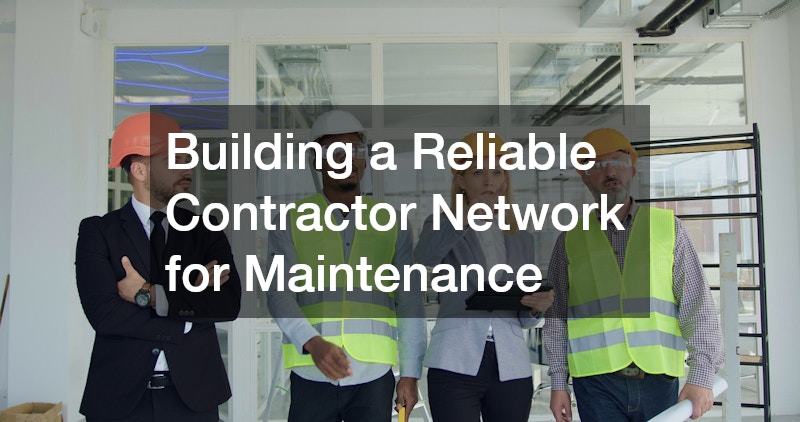
Regular maintenance and timely repairs are crucial for preventing costly property damage and operational disruptions. A trusted network of contractors ensures your business infrastructure is safe and functional. Businesses that rely on ad-hoc repairs or unverified vendors often face delays, poor workmanship, and unexpected expenses. By building relationships with qualified professionals, you create a safety net that supports both everyday operations and emergency situations.
Tips for Working with Contractors
-
Vet Contractors Thoroughly: Check licenses, certifications, insurance coverage, and client references before hiring. Confirm they comply with local regulations and industry standards. Ask for proof of past projects to evaluate quality and reliability.
-
Roofing Contractors: Schedule inspections at least twice a year and after severe weather. Regular maintenance prevents leaks, structural damage, and long-term deterioration. Ask roofing contractors for detailed maintenance plans and cost estimates.
-
Plumbing Contractors: Regularly inspect pipes, drains, and water heaters to catch small issues before they escalate. Preventative maintenance reduces the risk of flooding, mold, and expensive emergency repairs. Keep records of inspections and any upgrades from your plumbing contractors.
-
Create Written Agreements: Clearly outline responsibilities, timelines, and payment terms in contracts. Include clauses for emergency response, warranties, and dispute resolution. Written agreements provide clarity and legal protection for both parties.
-
Maintain Ongoing Relationships: Establish long-term relationships with reliable contractors to ensure priority service, consistent quality, and familiarity with your property. Contractors who understand your business infrastructure can anticipate problems and suggest proactive solutions.
-
Diversify Your Network: While having preferred contractors is essential, maintain a list of backup professionals. Emergencies or scheduling conflicts should not delay critical repairs.
-
Regular Performance Reviews: Periodically assess contractor performance, responsiveness, and quality of work. Provide feedback to improve future service and maintain accountability.
A dependable contractor network not only minimizes emergency costs but also enhances overall safety, operational efficiency, and asset longevity. Businesses that prioritize consistent maintenance with trusted contractors reduce downtime, extend the lifespan of critical systems, and ensure smooth day-to-day operations, creating a more resilient and reliable infrastructure.
Managing Environmental and Safety Risks in Your Business
Environmental hazards like mold, poor air quality, and HVAC malfunctions can impact both employee health and operational efficiency. Addressing these risks proactively protects people, assets, and the overall productivity of your business. Many businesses underestimate the cumulative effect of small environmental issues, which over time can lead to costly repairs, health claims, and regulatory fines. A proactive approach combines regular inspections, preventative maintenance, and staff education to minimize risk.
Safety and Environmental Best Practices
-
Hire Mold Remediation Contractors When Needed: Early detection and remediation prevent structural damage and health hazards. Conduct regular inspections in high-risk areas such as basements, kitchens, bathrooms, and spaces with poor ventilation. Mold remediation contractors can identify hidden issues and provide long-term solutions to prevent recurrence.
-
Maintain HVAC Systems: An HVAC contractor can perform routine checks, clean ducts, and ensure systems operate efficiently. Properly functioning HVAC systems not only improve air quality but also reduce energy costs, extend equipment lifespan, and prevent breakdowns that disrupt operations. Consider seasonal inspections and preventative servicing to address minor issues before they escalate.
-
Regular Safety Audits: Schedule audits to identify potential hazards, including water leaks, electrical faults, ventilation problems, and fire safety gaps. Use a checklist to ensure all areas are reviewed consistently, including storage rooms, workstations, and common areas.
-
Document Inspections and Repairs: Keep detailed records of inspections, maintenance, and repairs. Documentation helps demonstrate compliance with local regulations and can expedite insurance claims in the event of damage or liability issues.
-
Train Employees: Educate staff on emergency procedures, safe equipment use, and hazard reporting. Encourage a culture of safety where employees proactively identify potential risks and understand their role in maintaining a safe environment.
By prioritizing environmental and safety management, businesses create healthier workspaces, reduce liability, and prevent costly downtime. Investing in professional remediation, preventive maintenance, and staff training ensures that operations remain uninterrupted while protecting both employees and physical assets. Businesses that adopt this approach also benefit from improved employee morale, enhanced compliance, and long-term operational resilience.
Legal Safeguards for Contracts, Disputes, and Compliance
Legal issues can arise unexpectedly and create significant financial and operational stress. Preventive legal strategies are essential for maintaining stability.
Key Legal Strategies
-
Consult a Business Litigation Attorney: Early engagement ensures contracts, compliance measures, and potential disputes are handled appropriately.
-
Contract Review: A thorough legal review helps prevent loopholes, ambiguous terms, and costly misunderstandings.
-
Dispute Prevention: Implement clear policies, escalation procedures, and written documentation to minimize conflict.
-
Regulatory Compliance: Stay up-to-date with industry regulations to avoid fines and legal liabilities.
-
Alternative Dispute Resolution: Use mediation or arbitration clauses to resolve issues without lengthy court proceedings.
Having a legal framework in place protects the business from lawsuits, strengthens contracts, and ensures long-term operational security.
Leveraging Marketing to Build a Resilient Brand
Marketing isn’t just for growth, it also plays a crucial role in protecting your business reputation and maintaining client trust during crises.
Actionable Marketing Tips
-
Content Marketing Services: Use professional services to create informative blogs, videos, and social posts that educate clients and reinforce credibility.
-
Consistent Messaging: Ensure brand messaging aligns across platforms to build trust and maintain visibility.
-
Crisis Communication Plan: Prepare content and communication strategies for emergencies or operational interruptions.
-
SEO and Social Media Strategy: Optimize online presence so potential clients can find accurate information during disruptions.
-
Monitor Reputation: Track reviews, social mentions, and feedback to address concerns promptly.
A strategic marketing approach maintains client confidence, attracts new business, and supports operational continuity.
Supporting Your Team and Community

Employee and community support strengthens a business from the inside out. Investments in these areas pay dividends in loyalty, reputation, and long-term resilience.
Practical Support Strategies
-
Engage with Local Private Schools: Partnerships or sponsorships can improve community relations and enhance employee satisfaction.
-
Wellness Programs: Provide health resources, flexible scheduling, and educational opportunities for staff and their families.
-
Volunteer Initiatives: Encourage team involvement in community projects to foster a positive business image.
-
Employee Education: Offer training programs that improve skills, safety awareness, and overall productivity.
-
Recognition and Incentives: Reward contributions that promote a culture of responsibility and engagement.
Investing in people and the local community creates a strong support network that can help your business navigate challenges effectively.
Integrating Systems for Efficiency and Risk Mitigation
Bringing all aspects of business protection together, technology, contractors, legal safeguards, and insurance, ensures efficiency and comprehensive risk management.
-
Centralized Dashboards: Track maintenance schedules, insurance renewals, and legal documents in one location.
-
Automated Alerts: Set reminders for inspections, policy updates, and contract renewals.
-
Document Processes: Standardize procedures for risk mitigation, from IT management to contractor oversight.
-
Periodic Reviews: Assess performance across systems to identify gaps and optimize workflows.
-
Collaborative Approach: Ensure departments communicate effectively to reduce duplication and improve response times.
Integrating systems provides a holistic approach to risk management, reduces operational stress, and streamlines decision-making.
Protecting a business requires attention to multiple dimensions: technology, property, contractors, legal frameworks, marketing, and community engagement. Proactive planning and strategic investments in these areas reduce risk, minimize downtime, and safeguard long-term stability.
By assessing infrastructure, maintaining reliable contractors, securing proper insurance, engaging legal expertise, and supporting both employees and clients, businesses create resilience against unforeseen challenges. Businesses that take a comprehensive, integrated approach to protection are better positioned to thrive, adapt, and grow even in uncertain circumstances.