Industrial cleaning services play a critical role in supporting safe, efficient, and compliant operations across a wide range of industries. From manufacturing plants and warehouses to pharmaceutical labs and food processing facilities, every work environment requires a level of cleanliness that goes beyond standard janitorial duties. Industrial cleaners use specialized techniques, equipment, and training to manage heavy-duty tasks that help maintain productivity and minimize workplace hazards. Understanding the various types of industrial cleaning services—and how they contribute to overall workplace safety—can help any organization determine what best fits its needs.
What Are the Main Types of Industrial Cleaning Services?
Factory Cleaning and Sanitizing
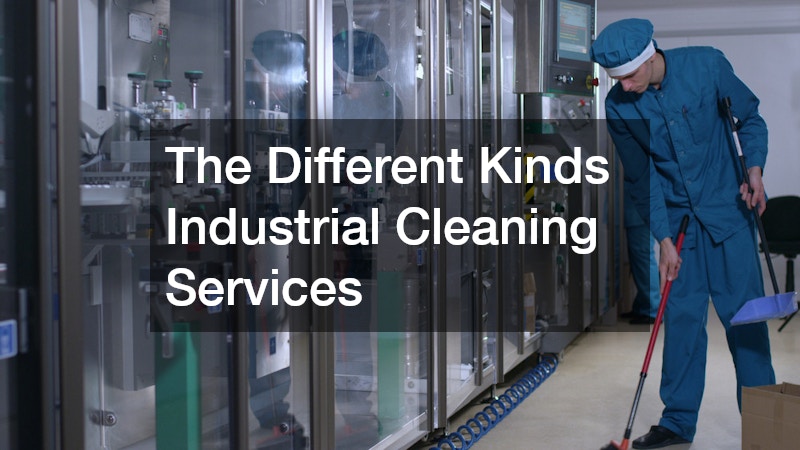
General factory cleaning involves routine tasks that keep industrial spaces hygienic and safe for daily operations. This type of cleaning often includes sweeping, mopping, dust removal, restroom sanitation, waste disposal, and basic surface cleaning.
Because factories typically operate continuously, regular cleaning schedules are essential to prevent buildup of dirt, grease, and debris that could compromise both cleanliness and efficiency.
These services also help maintain air quality by removing dust and particulates that collect in production areas. In many industries, such as manufacturing or assembly, even minor contaminants can interfere with product quality or machinery performance. Therefore, consistent general cleaning ensures that workspaces remain orderly and compliant with internal and external hygiene standards.
Specialized Equipment Cleaning
Industrial equipment requires a level of care that general cleaning methods cannot provide. Specialized equipment cleaning focuses on machinery, tools, and production systems that demand technical knowledge and precise handling. Improper cleaning can result in costly damage, operational setbacks, or even safety risks, so trained professionals use approved methods and industry-grade cleaning agents to safely remove grease, dust, and contaminants.
Techniques such as dry ice blasting, pressure washing, steam cleaning, and chemical cleaning may be used depending on the equipment type. In facilities with very delicate or high-value machinery, such as food processing lines, pharmaceutical mixers, or automotive assembly robots, specialized cleaning helps extend equipment lifespan and, in turn, performance. It also supports preventive maintenance programs by identifying early signs of wear or malfunction during the cleaning process.
Hazardous Material Cleanup
Hazardous material cleanup is one of the most sensitive and regulated branches of industrial cleaning. It involves the safe removal, handling, and disposal of substances that pose risks to human health or the environment, such as chemical spills, biological waste, asbestos, or flammable residues. Because of the dangers involved, only trained and certified professionals are permitted to conduct these cleanups.
These services follow strict protocols, including the use of personal protective equipment (PPE), specialized containment tools, and environmentally responsible disposal methods. Compliance with regulatory guidelines from bodies like OSHA, EPA, or local authorities is mandatory. Hazardous materials cleanup not only protects workers but also prevents costly fines, environmental damage, and production downtime.
How Can Industrial Cleaning Services Enhance Workplace Safety?
Reducing Allergens and Contaminants
Dust, mold, chemicals, and airborne particulates can accumulate quickly in industrial settings. Without proper cleaning, these contaminants may trigger allergies, respiratory issues, and other health problems among employees. Industrial cleaning services use advanced filtration systems, sanitizing processes, and targeted cleaning techniques to reduce allergens that compromise indoor air quality.
For industries like pharmaceuticals, food production, or electronics manufacturing, controlling contaminants is especially important. A cleaner environment not only improves worker well-being but also ensures a safer and more reliable production process.
Preventing Accidents and Equipment Malfunctions
Slippery floors, obstructed walkways, and poorly maintained machinery are common sources of workplace accidents. Regular industrial cleaning helps eliminate hazards such as oil spills, loose debris, or dust buildup that could lead to slips, falls, or collisions. In addition, equipment that is regularly cleaned is less likely to malfunction due to dirt, grease, or corrosion.
A well-maintained environment supports safer workflow patterns and reduces the likelihood of costly repairs or downtime. Many companies incorporate industrial cleaning into their broader safety and maintenance protocols to proactively prevent accidents rather than reacting to them after they occur.
Compliance With Health and Safety Regulations
Every industrial facility must follow specific health and safety standards established by regulatory authorities. Regular industrial cleaning ensures that companies meet these requirements, helping them avoid penalties, shutdowns, or compliance violations. Cleanliness plays a key role in fire safety, sanitation, environmental protection, and worker health guidelines.
How to Choose the Right Industrial Cleaning Service Provider
Assessing Industry Experience
Not all cleaning providers have the same expertise. When selecting a service, it is important to choose a company with extensive experience in your specific industry. Each field—whether automotive manufacturing, biotechnology, or food processing—has unique cleaning requirements, standards, and challenges. A provider with industry-specific knowledge can offer tailored solutions and ensure compliance with relevant regulations.
Evaluating Service Range and Flexibility
Industrial operations often require a range of cleaning services that extend beyond simple maintenance tasks. A strong provider should offer comprehensive solutions, including equipment cleaning, emergency spill response, deep sanitation, and routine upkeep. Flexibility is equally important, as many facilities operate on strict production schedules that require cleaners to work during off-hours or integrate seamlessly into ongoing workflows.
Choosing a provider that can adapt services to your facility’s processes ensures minimal disruption and consistent cleanliness.
Industrial cleaning services are essential for maintaining safe, efficient, and compliant operations. From routine factory cleaning to specialized equipment maintenance and hazardous material cleanup, each type of service plays a unique role in supporting workplace health and productivity. By reducing contaminants, preventing accidents, and ensuring regulatory compliance, industrial cleaning contributes directly to a safer and more efficient work environment.
Choosing the right cleaning service provider requires careful consideration of industry expertise, service flexibility, and contract transparency. With the right partner, organizations can maintain a clean, compliant, and high-performing facility that supports both employee well-being and operational success.