
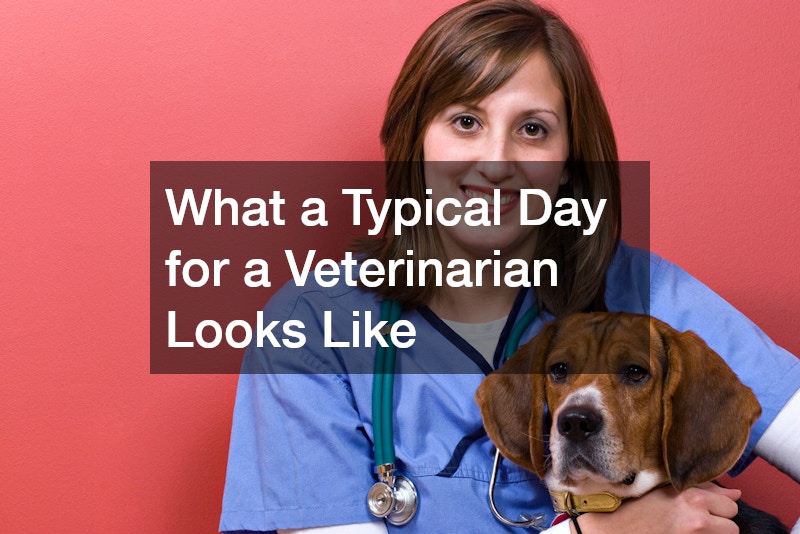
Veterinarians play a crucial role in animal healthcare, acting as the first line of defense in preventing and treating illnesses in pets and other animals. Their daily routines are not only integral to maintaining the health of animals but also foster a sense of reassurance and trust among pet owners and the community at large.
By providing comprehensive medical care, veterinarians significantly impact the overall well-being of animals. Their work not only ensures the animals’ physical health but also contributes markedly to the emotional well-being of pet owners.
Their responsibilities extend beyond medical treatment, as they also play a pivotal role in educating the community about preventive care and responsible pet ownership. This enhances the quality of life for both animals and humans alike.
How does a veterinarian start their day?
Morning Routine
A typical day for a veterinarian begins with administrative tasks that set the tone for the tasks ahead. This includes reviewing patient schedules, ensuring all necessary paperwork is in order, and preparing for appointments.
The veterinarian then meticulously prepares equipment and medication needed for the day, ensuring a seamless flow for the upcoming procedures. This preparation is crucial for handling both scheduled and unscheduled cases that may arise.
Alongside these tasks, veterinarians often take a moment to mentally prepare for the demands of the day, embracing the varied challenges and rewards their role encompasses. Such comprehensive preparation ensures veterinarians can address the needs of each patient with the utmost care and efficiency.
First Appointments
The initial appointments of the day often encompass a range of cases from routine check-ups to more complex diagnostics. Every consultation provides an opportunity for early detection of potential issues, emphasizing the preventative aspect of veterinary care.
As they meet each patient, veterinarians must adeptly assess their health, which may involve a combination of physical examination and diagnostic tests. This crucial aspect of their role ensures each animal receives personalized and appropriate care.
During the morning, the clinics are bustling with activity, as veterinarians balance scheduled appointments while remaining vigilant for any emergencies. This dynamic environment requires veterinarians to stay flexible and attentive to continually shifting priorities.
What are the common responsibilities of a veterinarian?
Diagnostic and Treatment Tasks
Veterinarians are tasked with performing a wide array of medical procedures daily, ranging from routine vaccinations to intricate surgeries. Each task demands precision and expertise, as the health and safety of their patients depend on their skills.
Diagnostic tests are also a significant aspect of a veterinarian’s responsibilities, involving lab testing and imaging to uncover underlying health issues. Accuracy in diagnostics is crucial to formulating effective treatment plans.
Additionally, veterinarians are responsible for documenting every procedure to maintain accurate medical records, which are essential for continuous care and communication with pet owners. This documentation ensures consistency in monitoring the health progress of each animal.
Client Interaction
Effective communication with pet owners is a cornerstone of veterinary practice, as it helps build trust and understanding. Veterinarians spend significant time explaining medical conditions and discussing treatment options with clarity.
Through these interactions, veterinarians provide reassurance and education about proper pet care, highlighting the importance of follow-up care and preventive measures. Such dialogue ensures pet owners are well-equipped to make informed decisions regarding their pets’ health.
The relationship between veterinarians and pet owners is pivotal, and successful client interaction often results in improved health outcomes for the animals. Engaging pet owners in the care process promotes a collaborative approach to animal health and wellness.
How do veterinarians manage emergency cases?
Emergency Response
In emergencies, veterinarians are trained to respond quickly and calmly, prioritizing cases based on the severity of the situation. Proper triage ensures that the most critical patients receive immediate care.
Emergency cases demand rapid diagnostic and treatment actions, with veterinarians employing all available resources to stabilize the patient. This swift response is vital to improving the prognosis in life-threatening situations.
Even under pressure, veterinarians must communicate effectively with the pet owner, explaining the situation and detailing the steps being taken. Transparency during emergencies helps in managing owner anxiety and garnering trust.
Coordination with Emergency Staff
An effective emergency response heavily relies on teamwork, and veterinarians coordinate closely with veterinary technicians and support staff. Each team member plays a critical role in managing emergency cases efficiently.
Technicians assist in preparing equipment, administering medications, and monitoring vital signs, while support staff handle communications and logistics. This collaboration ensures that care delivery is streamlined and focused on optimal outcomes.
This cohesive team dynamic is essential for handling high-pressure situations and often leads to strengthened professional bonds. Together, they form a well-oiled machine focused on delivering the best possible care under challenging circumstances.
What educational and professional development do veterinarians pursue?
Continued Education
Veterinarians are committed to lifelong learning to stay updated on the latest in veterinary medicine. They engage in continuing education through courses, seminars, and professional conferences.
This ongoing education covers advancements in medical technology, new treatment methods, and evolving best practices. By staying informed, veterinarians can consistently provide cutting-edge care.
Continuing education not only enhances their medical expertise but also allows veterinarians to network with peers and exchange knowledge. This collaborative learning approach contributes significantly to professional growth.
Specializations and Certifications
Beyond basic veterinary education, many veterinarians choose to specialize in specific areas such as surgery, dentistry, or care for exotic animals. Pursuing certifications in these fields elevates their skillsets and professional standing.
Such specializations require additional training and examinations, reflecting a veterinarian’s dedication to mastering a particular area of interest. This pursuit of expertise can lead to increased opportunities and recognition within the field.
Specializations also enable veterinarians to offer specialized services, thereby enhancing the depth and breadth of care they can provide to their patients. This is directly beneficial for meeting the diverse needs of animals across different species and conditions.