
Managing a commercial property is an intricate balancing act between preserving capital and maintaining an environment that attracts high-value tenants, ensures employee safety, and facilitates efficient daily operations. Far too often, property managers and business owners fall into the trap of deferred maintenance. This is the practice of delaying necessary repairs or aesthetic improvements to save money in the short term. However, the hidden costs of deferred maintenance are staggering. Ignoring minor facility wear and tear drains operational budgets over time through profound energy loss, increased safety liabilities, and tangibly decreased employee productivity. A small leak ignored today becomes a catastrophic structural failure tomorrow; an outdated climate system not only alienates occupants but also bleeds your utility budget dry month after month.
To truly maximize the value of your real estate asset, you must shift your mindset from reactive patching to proactive upgrading. Treating building upgrades as strategic capital investments rather than emergency expenses leads to vastly better tenant retention and higher overall property valuations. Modern commercial tenants are no longer satisfied with bare-bones functional spaces. They demand energy efficiency, integrated smart technology, robust safety features, and aesthetically pleasing environments that align with their own corporate branding and values. When a facility meets these demands, property owners can command premium lease rates and drastically reduce tenant turnover.
This comprehensive guide covers a sequential roadmap for evaluating and executing necessary facility improvements. By moving methodically from the exterior envelope to interior systems, and finally to workflow and aesthetic enhancements, you can plan your upgrades in a way that minimizes operational disruption while maximizing your return on investment. We will explore how to secure structural integrity, optimize climate control, modernize utility infrastructure, redesign interior layouts, and refresh high-traffic surfaces.
Secure the Envelope: Prioritizing Structural Integrity
Conduct a Pre-Season Membrane Inspection to Prevent Moisture Intrusion
The envelope of your building is its first and most important line of defense against the elements. If the exterior shell is compromised, any internal upgrades you make are at risk of immediate ruin. Among the most critical components of this envelope is your roofing system. The dangers of water damage in a large-scale facility cannot be overstated. Slow, insidious leaks can compromise valuable inventory, short-circuit complex electrical systems, and rot structural framing long before a single drop of water is ever visible on the ceiling tiles inside. By the time you notice a water stain in the boardroom or the warehouse, the structural damage above is likely already extensive and expensive.
Professional assessments are mandatory for maintaining a watertight facility. Property managers should not rely on their in-house maintenance staff for this task unless they hold specialized roofing certifications. Instead, you must vet and hire experienced commercial roofers who possess the training to identify the early, subtle signs of membrane failure. These experts will meticulously inspect single-ply membranes (like TPO, PVC, or EPDM) for seam separation, UV degradation, and blistering. They will also evaluate the integrity of the flashing around HVAC curbs, skylights, and parapet walls, as these transitions are notorious failure points.
-
Key components of a professional roof inspection:
-
Infrared thermography scans to detect trapped moisture beneath the membrane layer.
-
Evaluation of internal roof drains, scuppers, and gutters for clogs that cause dangerous water ponding.
-
Inspection of pitch pockets and pipe penetrations to ensure sealants remain flexible and intact.
-
Core sampling to determine the condition of the underlying insulation and deck material.
-
Address Sidewalk Trip Hazards and Loading Dock Degradation Immediately
While the roof protects you from above, your foundation and surrounding flatwork secure your operations from the ground up. Mitigating liability should be a top priority for any facility manager, and the exterior concrete surfaces are prime areas for slip-and-fall accidents. The legal and financial risks of ignoring cracked sidewalks, uneven threshold transitions, or deteriorating warehouse loading zones are immense. A single injury lawsuit can cost far more than a comprehensive concrete repair project. Furthermore, severely degraded concrete can damage expensive material handling equipment, such as forklifts and pallet jacks, leading to operational downtime.
Addressing these issues requires more than just pouring a quick patch of quick-setting cement. You must bring in a specialized commercial concrete contractor to assess the underlying causes of the degradation. They can determine if the soil beneath the slab is washing away, causing subsidence, or if heavy freeze-thaw cycles have compromised the aggregate. Professional concrete teams can level uneven slabs using advanced techniques like polyurethane foam injection (slabjacking), reinforce heavy machinery zones with high-PSI concrete mixes and rebar grids, and ensure strict ADA compliance at all primary entryways by constructing properly graded ramps with tactile warning strips.
Optimize Climate Control for Efficiency and Comfort
Implement Smart Thermostat Zoning to Cut Energy Costs by 20%
Once the exterior envelope is secure, your focus must shift to the most significant ongoing operational expense in any facility: climate control. Heating and cooling massive, open spaces requires a tremendous amount of energy. One of the most inefficient practices still prevalent in older buildings is operating a single, centralized thermostat system for an entire floor or building. This essentially forces you to heat or cool empty conference rooms, vacant offices, and vast storage areas just to maintain a comfortable temperature in a few occupied zones.
Providing specific, automated climate management through smart thermostat zoning can revolutionize your energy expenditures. By installing motorized dampers within your ductwork connected to a network of smart sensors, you can create independent climate zones. This ensures that heat-generating areas like server rooms receive continuous cooling, while perimeter offices with large windows can call for heat during winter mornings independently of the interior core spaces. When selecting a partner to implement this, carefully evaluate various commercial HVAC companies to ensure they specialize in advanced Building Automation Systems (BAS) rather than simple equipment swaps. A specialized partner will know how to program these systems to automatically adjust temperatures based on occupancy schedules and peak utility rate hours.
Audit Existing Ductwork Before Investing in High-Efficiency Units
A common mistake facility managers make is approving capital expenditures for brand-new, ultra-high-efficiency rooftop units (RTUs) while completely ignoring the distribution system underneath. This is known as the leaky duct dilemma. It is a harsh reality that installing a top-tier unit is practically useless if 30% of your freshly conditioned air escapes into the uninsulated drop ceiling or attic space through compromised, aging, and unsealed ductwork. Before you spend tens of thousands of dollars on new chillers or furnaces, you must audit the pathways carrying that air.
Implementing preventative maintenance schedules is the key to maintaining duct integrity and overall system health. Securing long-term commercial HVAC services ensures that certified technicians routinely visit your facility to conduct static pressure tests, identifying hidden leaks and blockages. These professionals will utilize mastic sealant or aeroseal technologies to tighten the ductwork. Furthermore, they will calibrate airflow to ensure balanced air distribution across all zones and change heavy-duty industrial filters regularly to protect the blower motors from strain and maintain optimal indoor air quality for your occupants.
Modernize Power, Fuel, and Utility Infrastructures
Upgrade to LED Lighting Grids and Smart Panel Breakers
The demands placed on a building’s electrical grid have evolved exponentially over the last two decades. Modern commercial facilities are power-hungry. Integrating new server farms, advanced manufacturing equipment, widespread employee workstations, and exterior EV charging stations requires a robust, modernized electrical backbone. If your building is still relying on electrical panels installed thirty years ago, you are likely pushing your system to its absolute limits, risking blown fuses, electrical fires, and damaging power surges to sensitive corporate data servers.
Upgrading this infrastructure must be handled with extreme precision. You must retain a licensed commercial electrician service to perform a comprehensive load calculation and energy audit. They will safely replace outdated, overloaded panel breakers with smart panels that monitor energy consumption at the circuit level. Additionally, transitioning the facility from outdated fluorescent or incandescent lighting to an energy-saving LED grid is one of the fastest ways to see a return on investment. Not only do LEDs draw a fraction of the amperage, but they also produce significantly less ambient heat, which in turn reduces the cooling load on your air conditioning systems during the summer months.
-
Crucial electrical upgrades to consider:
-
Sub-metering: Installing sub-meters for multi-tenant buildings to accurately bill for individual energy consumption.
-
Surge Protection: Implementing whole-building surge protection devices (SPDs) at the main switchgear to protect sensitive electronics.
-
Lighting Controls: Adding daylight harvesting sensors that automatically dim interior LED lights when natural sunlight is sufficient.
-
Capacity Expansion: Upgrading the main service drop to increase total available amperage for future facility expansions.
-
Diversify Your Heating Sources to Prevent Winter Downtime
Relying entirely on a single source of utility power is a massive vulnerability in today’s unpredictable climate. The vulnerability of single-source energy becomes starkly apparent during extreme weather events. If your local power grid fails during a severe winter blizzard, a building that relies solely on electric heat pumps or electrically ignited gas furnaces will quickly plunge to freezing temperatures. This can halt production, freeze liquid inventory, burst internal water pipes, and completely shut down operations, costing your business catastrophic amounts of money in just a few days.
Developing alternative fuel strategies is a crucial component of facility risk management. Integrating an off-grid energy source provides peace of mind and operational continuity. For example, arranging for a commercial propane installation allows you to fuel heavy-duty warehouse radiant heaters, power massive backup generators, and run forklift fleets independently of the municipal electric or natural gas grids. Propane is highly stable, does not degrade over time like diesel fuel, and can be stored safely on-site in large bulk tanks, ensuring that when the grid goes down, your facility remains operational, warm, and secure.
Redesign Interior Layouts for Modern Workflows
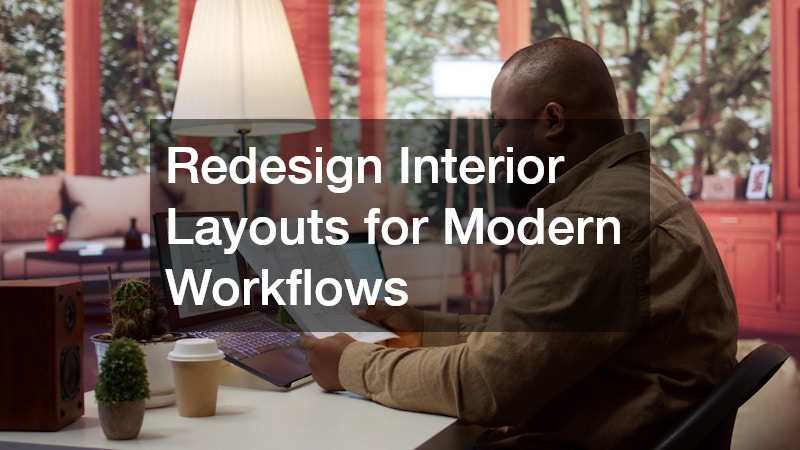
Tear Down Non-Load-Bearing Walls to Foster Collaborative Workspaces
As business operations evolve, the physical spaces that house them must adapt. The traditional layout of endless, isolated cubicle farms and closed-off perimeter offices is rapidly becoming obsolete. Today’s workforce demands hybrid work environments, and companies are shifting toward flexible, open-concept floor plans that encourage team collaboration, spontaneous brainstorming, and a democratization of natural light. When natural sunlight can penetrate deep into the core of a building, employee morale, focus, and productivity demonstrably increase.
Executing this transformation requires careful planning and strategic commercial remodeling. You cannot simply start swinging sledgehammers. You must consult with structural engineers to accurately identify and preserve load-bearing structures while safely removing non-structural partition walls. Managing the build-out is a complex logistical puzzle. It often involves phasing the work section by section, ensuring that day-to-day business operations, internet connectivity, and employee safety are not entirely disrupted during the demolition and reconstruction processes. Temporary dust barriers, negative air machines, and after-hours construction schedules are essential tools for a successful interior redesign.
Audit ADA Compliance When Expanding Floor Plans
Whenever you alter a building’s primary footprint, move walls, or change the designated use of a space, you trigger modern municipal building codes. One of the most rigorous and important sets of regulations you must adhere to is the Americans with Disabilities Act (ADA). Inclusive design is not merely a suggestion or a moral imperative; it is a strict federal mandate. An interior redesign must account for specific, non-negotiable dimensions to ensure total accessibility for all employees, clients, and visitors.
Navigating the red tape of these regulations requires expertise. You will need to calculate precise hallway turning radii for wheelchairs, ensure restroom stalls and grab bars meet exact dimensional requirements, and verify that any new ramps adhere to strict slope ratios. Because the liability for non-compliance is so high, it is imperative to partner with a seasoned commercial construction contractor. A highly qualified contractor will have a dedicated team for pulling municipal permits, submitting architectural blueprints for city approval, and successfully passing the stringent local building code inspections required before you can legally occupy your newly renovated space.
-
ADA compliance checkpoints during remodeling:
-
Doorways: Ensuring all new interior doors provide a minimum clear width of 32 inches.
-
Hardware: Replacing traditional round doorknobs with lever-style handles that require no tight grasping or twisting of the wrist.
-
Flooring Transitions: Verifying that the threshold between different flooring types (e.g., carpet to tile) is flush or properly beveled.
-
Clear Floor Space: Providing adequate clear floor space beneath desks, sinks, and countertops for forward or parallel wheelchair approaches.
-
Refresh Aesthetics and High-Traffic Surfaces
Seal High-Traffic Corridors with Chemically Resistant Coatings
Once the structural, systemic, and spatial upgrades are complete, you can focus on the surfaces that endure the most daily abuse. Bare concrete floors in warehouses, automotive showrooms, commercial kitchens, and manufacturing corridors are highly vulnerable. Concrete is inherently porous; it rapidly absorbs oil spills, harsh chemical solvents, and standing moisture. Left untreated, this leads to rapid surface degradation, unsightly staining, concrete dusting that contaminates inventory, and highly unsanitary conditions that can attract pests or harbor bacteria.
Protecting your foundation requires the ultimate surface solution. Investing in a commercial epoxy floor provides a seamless, impenetrable barrier over your concrete. Epoxy and urethane coatings are chemically engineered to withstand extreme impacts from dropped tools, the heavy rolling loads of forklifts, and highly corrosive chemical spills. Furthermore, these resinous floors can be customized to include anti-slip aggregates to drastically reduce workplace slip-and-fall incidents. They also allow for permanent, embedded safety striping to designate pedestrian walkways, forklift traffic lanes, and hazardous material storage zones, eliminating the need to constantly reapply temporary floor tape.
Leverage Color Psychology in Lobbies and Breakrooms to Boost Morale
The final step in your facility upgrade is addressing the visual environment through paint and design. First impressions matter immensely. When a prospective client walks into your lobby, or a new recruit enters the breakroom, the aesthetic quality of the space instantly communicates your brand’s professionalism, culture, and attention to detail. Beyond mere decoration, you can leverage color psychology to subtly influence the mood and energy of your facility. Applying calming, muted blues and greens in high-stress, focused workspaces can reduce employee anxiety, while injecting energetic yellows or vibrant oranges into creative breakout rooms can stimulate collaboration and innovation.
Achieving a flawless finish without shutting down your business requires hiring a dedicated commercial painting business. Industrial and commercial painters understand the critical importance of minimizing operational disruption. They will utilize high-quality, fast-drying, and low-VOC (Volatile Organic Compounds) paints. This ensures that massive areas can be prepped, primed, and painted over a single weekend, and employees can return on Monday morning to a fresh, vibrant environment without being subjected to the noxious fumes and headaches associated with traditional, heavy-solvent paints.
-
Strategic painting considerations:
-
Light Reflectance Value (LRV): Choosing lighter paint colors for cavernous warehouse spaces to maximize the efficiency of your new LED lighting grid.
-
Durability: Using high-gloss or semi-gloss finishes in high-traffic corridors and cafeterias so that scuffs and fingerprints can be easily wiped away.
-
Brand Identity: Ensuring that accent walls in reception areas accurately match the exact Pantone colors of your corporate logo.
-
Exterior Refresh: Don’t forget the exterior; a fresh coat of elastomeric paint on the building’s facade seals hairline cracks and dramatically boosts curb appeal.
-
Executing Your Facility Upgrade Plan
Embarking on a comprehensive modernization of a large-scale property can feel overwhelming, but it is a necessary evolution to keep your asset competitive, safe, and profitable. As you transition from the planning phase to execution, always remember to prioritize safety and efficiency first. While aesthetic upgrades like fresh paint and new lobbies are immediately gratifying and visually exciting, the structural integrity of your roof, the safety of your electrical grid, and the reliability of your climate control systems must always take precedence in the capital budgeting phase. A beautiful lobby means nothing if the building is closed due to a catastrophic power failure or a collapsed ceiling.
The most successful facility managers understand the power of a phased approach. Do not attempt to execute every upgrade simultaneously. Recommend breaking down your master plan into manageable quarterly or bi-annual goals. This prevents budget exhaustion, allows you to spread out capital expenditures, and minimizes the disruption to your tenants and daily operations. Address the exterior envelope before winter, tackle HVAC distribution in the mild shoulder seasons, and schedule major interior remodeling during periods of historically low foot traffic or company holidays.
Taking the next step requires commitment and professional guidance. Do not guess at the condition of your building’s infrastructure. Begin by scheduling comprehensive, rigorous site audits with licensed engineers and certified contractors to establish an accurate, objective baseline of your facility’s health. Use these professional assessments to build a data-driven, long-term master plan. By systematically upgrading your property year over year, you transform an aging building into a highly efficient, resilient, and highly sought-after commercial asset.