
If you are trying to understand what it actually costs to launch a service business, or you are simply curious why one company charges so much more than another for seemingly similar work, you are not alone. Startup costs across service industries can swing wildly depending on equipment, training, licensing, and overhead, and that variation directly affects the prices you pay as a customer. Understanding these cost drivers helps you evaluate quotes more intelligently, spot red flags, and recognize when a business is charging fairly for its investment. This guide breaks down the major cost categories across a range of service industries so you can make better informed decisions as a consumer or property owner.
Why Startup Costs Vary So Widely Across Service Industries
Every service industry has a different combination of equipment, labor, licensing, and space requirements, which is why one contractor’s startup budget might be a few thousand dollars while another needs hundreds of thousands before opening their doors. A mobile pet groomer, for example, needs far less capital than a company that manufactures custom vehicles or vessels. These differences matter to you as a customer because they explain why prices are structured the way they are and why cutting corners in one area often shows up as lower service quality elsewhere.
When you research a company before hiring them, it helps to think about what it likely took for them to get operational. A business that invested heavily in proper equipment and training generally has more overhead to recover, but it also tends to deliver more consistent, safer results. Comparing quotes without understanding this context can lead you to choose the cheapest option for the wrong reasons.
Evaluating Existing Equipment Before You Buy
Whether you are purchasing a used vehicle, buying into a franchise, or acquiring commercial property with existing tools and machinery, a thorough condition assessment should always come before you finalize a deal. This process involves inspecting equipment for wear, verifying maintenance records, and estimating remaining useful life so you are not surprised by expensive repairs shortly after purchase. Skipping this step is one of the most common ways buyers end up with hidden startup costs they never budgeted for.
A proper condition assessment typically includes a physical inspection, a review of service history, and sometimes a third party appraisal for high value equipment. This is especially important in industries where machinery represents the bulk of the initial investment, since a piece of equipment that looks fine on the surface may have significant internal wear.
- Request maintenance logs and repair receipts going back several years
- Have equipment inspected by an independent professional, not just the seller
- Ask about warranty status and whether it transfers to a new owner
- Compare the equipment’s age against its typical expected lifespan
- Factor any needed repairs into your negotiated purchase price
Heavy Machinery and Automation Investments
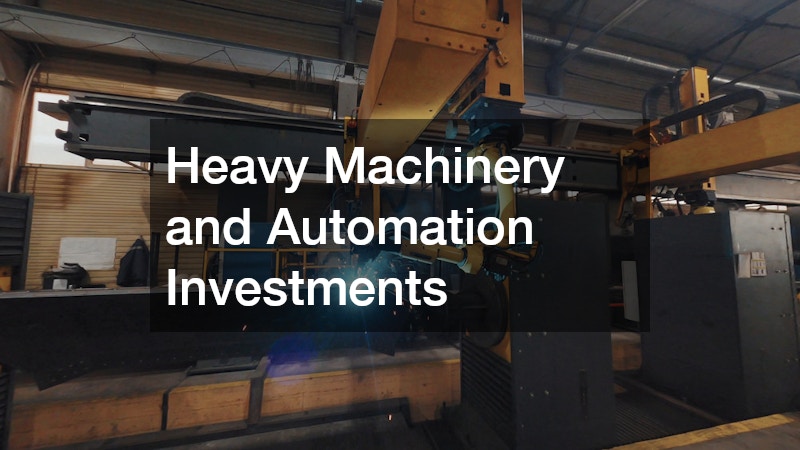
In industries that rely on precision manufacturing, the cost of automation can be one of the largest line items in a startup budget. A single robotic welding cell, for example, can range from $50,000 to $150,000 once you factor in the arm, positioner, safety enclosures, and programming, and that’s before installation or operator training costs are added in. Businesses need to weigh these upfront figures against financing options, since many equipment vendors offer leasing arrangements that ease the initial cash outlay.
Despite the steep entry cost, robotic welding systems often pay for themselves over time through faster production, fewer errors, and reduced labor costs for repetitive tasks. A well-tuned system can run multiple shifts with minimal supervision, cutting per-unit costs significantly once volume ramps up. Maintenance contracts and replacement parts should also be budgeted for, since downtime on a single automated line can stall an entire production schedule.
Businesses that have made this investment are usually able to offer more consistent quality and faster turnaround, which is worth considering when comparing providers for custom metal fabrication work. Beyond welding, similar cost-benefit calculations apply to CNC machining centers and automated material handling systems, both of which carry comparable upfront price tags and long-term efficiency gains. Startups should model out break-even timelines based on expected order volume before committing to any single piece of heavy machinery.
Agricultural service providers face similar decisions when it comes to technology upgrades, and heavy machinery often represents the single largest line item in their startup budgets. A used mid-size tractor alone can run anywhere from $40,000 to $150,000, and attachments like planters, sprayers, or tillage equipment add substantially more before a company ever takes on its first client.
Adding auto steer for tractor systems allows farms and agricultural contractors to reduce overlap, save on fuel, and operate more efficiently across large plots of land, but the technology itself represents a meaningful capital outlay. Depending on the level of precision required, guidance systems can range from a few thousand dollars for basic setups to well over $10,000 for RTK-level accuracy, plus ongoing subscription fees for correction signals.
Beyond the sticker price, buyers should factor in installation, calibration, and operator training, since poorly configured systems can undercut the very efficiency gains they’re meant to deliver. Financing terms also matter here, as many equipment dealers offer seasonal payment schedules that align better with agricultural cash flow than standard monthly loans.
When you are evaluating a farming service or equipment rental company, asking whether they use modern guidance technology can give you a sense of how efficiently and precisely they can complete a job. A provider running current auto steer for tractor systems is often better positioned to minimize wasted inputs and finish work faster, which can translate into real cost savings passed on to the client.
Surface Preparation and Industrial Finishing Costs
Many restoration and refinishing businesses depend on specialized equipment that most consumers never think about until they need the service. Sandblaster services, used to strip paint, rust, and old coatings from metal, wood, and masonry, require an initial investment in air compressors, abrasive media, and safety enclosures before a company can even take its first job. This equipment is not cheap, and businesses that invest in higher quality systems are often able to control dust and debris more effectively, which matters if the work is happening near your home or property.
If you are hiring a company for surface restoration, it is worth asking what type of blasting equipment they use and how they manage containment. Lower cost operations sometimes cut corners on dust control or protective barriers, which can lead to property damage or cleanup costs that outweigh any savings on the initial quote.
Uniforms Safety Gear and Ongoing Apparel Budgets
Startup costs are not limited to one time purchases. Ongoing expenses like workwear represent a recurring line item that many people underestimate when evaluating how a service business operates. Companies that outfit their crews with proper protective clothing, branded uniforms, and industry appropriate safety gear are investing in both worker protection and professional appearance, and that cost is built into their pricing structure.
For physically demanding trades, durable clothing is not optional. Flame resistant fabric, steel toe boots, and high visibility vests all add up, and businesses have to replace this gear regularly as it wears out or gets damaged on the job. When you see a technician show up in worn out, mismatched clothing, it can sometimes be a sign that the company is cutting corners in other areas of the business as well.
Building Visibility Through Branding and Signage
Getting noticed is a real cost for any new service business, and physical presence still matters even in a digital-first world. Hiring a sign company to design and install storefront signage, vehicle wraps, or job site banners is often one of the first major marketing expenses a new business takes on. Costs vary widely depending on materials and complexity, with a basic illuminated storefront sign often running $1,500 to $6,000, while a full vehicle wrap for a service van can range from $2,500 to $5,000 per vehicle.
Quality signage does more than look nice, it builds trust with potential customers who are researching a company for the first time and want reassurance that they are dealing with an established, professional operation. A clean, well-lit sign or a professionally wrapped truck parked at a job site signals stability and attention to detail, which matters a great deal in trades like HVAC, plumbing, or landscaping where customers are inviting workers into their homes.
Beyond the upfront design and installation fees, new owners should budget for permitting costs, since many municipalities require sign permits that can add a few hundred dollars and several weeks of lead time to a project. Ongoing expenses matter too: LED signage may need occasional bulb or panel replacement, vinyl wraps typically need refreshing every three to five years, and banners used at multiple job sites wear out faster and require periodic reordering. Factoring these recurring costs into a startup budget, rather than treating signage as a one-time purchase, helps avoid unpleasant surprises down the road.
Printed materials still play a role too, even as more marketing moves online. Working with printing services for business cards, door hangers, estimates, and invoices helps a company maintain a consistent, professional image across every customer touchpoint. Startups in home services or contracting fields often budget a few hundred dollars upfront for an initial batch of these materials, with reorders costing far less once a template is established.
Signage deserves its own line item in the startup budget, since costs vary widely depending on the type chosen. A basic vinyl banner or yard sign might run $50 to $150, while illuminated storefront signs, vehicle wraps, or custom monument signs can climb into the thousands. Many local ordinances also require permits for exterior signage, so it’s worth researching city regulations before committing to a design.
Vehicle branding is another consideration worth planning for early. A simple magnetic door sign costs relatively little, but a full vehicle wrap can run $2,500 to $5,000 depending on the size of the fleet and complexity of the design. For service businesses that rely on trucks or vans visiting client properties, this rolling signage often generates more consistent visibility than a fixed location ever could.
When you are comparing service providers, small details like professional signage and printed materials can be an indirect signal of how seriously a business takes its operations and long term reputation. A worn business card or a mismatched invoice format may seem trivial, but customers often use these cues to judge reliability before a single service is performed. Investing modestly in this area early on can pay dividends in the trust it builds well before larger marketing campaigns take effect.
Retail Storefronts and Resale Business Costs
Not every service industry involves trucks and job sites. Retail based businesses have their own startup cost structure, often centered around inventory, security, and appraisal expertise rather than heavy equipment. Local pawn shops, for example, need secure storage, appraisal tools, and staff trained to evaluate the resale value of everything from electronics to musical instruments, and that expertise is part of what you are paying for when you buy or sell through one.
Jewelry stores face a similarly specialized startup cost profile, since they need secure display cases, insurance, and staff who can accurately grade and appraise precious metals and gemstones. The upfront investment in security systems and specialized training is significant, which is part of why established jewelry stores can often offer more reliable appraisals than a business that jumped into the market without that infrastructure. Understanding this can help you decide where to shop or sell items of real value.
- Ask whether staff have formal appraisal training or certifications
- Check for visible security measures like cameras and locked display cases
- Request a written appraisal or receipt for any transaction
- Compare offers between a few different retailers before committing
- Look into how long the business has operated in your area
Specialized Manufacturing and Custom Fabrication
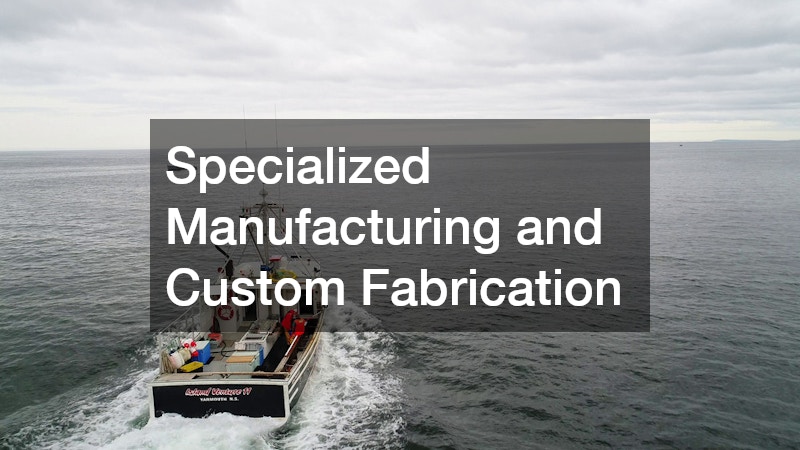
Some service industries require an extraordinary level of upfront investment simply because of the scale and complexity of what they produce. Workboat manufacturers are a clear example, since building durable, seaworthy vessels requires large fabrication facilities, specialized welding equipment, marine grade materials, and skilled labor that takes years to train. These startup costs are reflected in the price of custom vessels, but they also explain why established manufacturers can offer stronger warranties and more reliable long term performance.
If you are ever in the market for a custom built vessel or heavy equipment from a specialized manufacturer, it is worth asking about their production facility and how long they have been building similar products. A manufacturer with a well established facility and experienced crew has typically already absorbed the steepest part of their startup costs, which can translate into more competitive pricing and fewer production delays for your project.
Startup costs shape nearly every service industry in ways that directly affect the price and quality of what you receive as a customer. By understanding what goes into launching and running these businesses, from equipment and safety gear to branding and specialized training, you are better equipped to evaluate quotes, ask smarter questions, and choose providers who have invested in doing the job right. The next time you are comparing service providers, take a moment to consider what is behind their pricing rather than focusing on the lowest number alone. That small shift in perspective can save you from costly surprises down the road.