
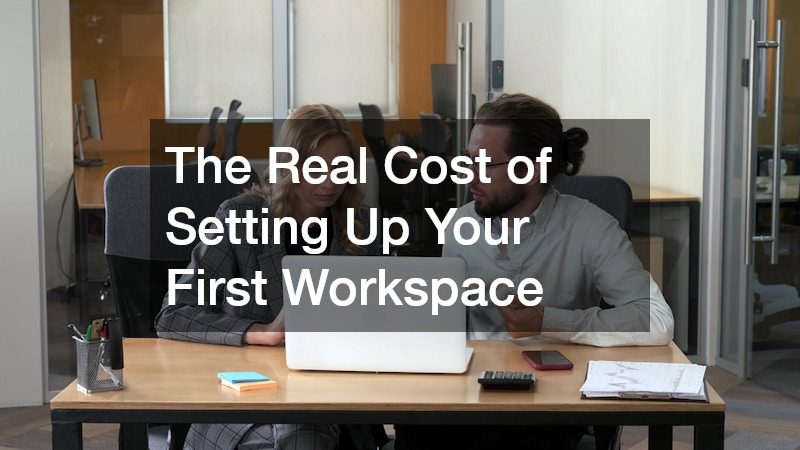
Setting up your first workspace is exciting, but the price tag often surprises people who only budgeted for desks and a lease. Between construction, safety upgrades, security, and everyday maintenance, the true cost can climb far beyond what a simple rent estimate suggests. If you are trying to plan realistically, it helps to break the project into smaller pieces so nothing catches you off guard. This guide walks through the practical expenses most people overlook when they start from scratch.
Understanding the Full Scope of Setup Costs
Before you sign anything, it helps to separate one time setup expenses from recurring monthly costs. Many first time renters focus only on square footage price and forget about permits, inspections, insurance, and basic buildout work. Even a modest space can require electrical upgrades, new flooring, or structural repairs before it is usable.
One time costs typically include a security deposit, first and last month’s rent, permit filing fees, and any contractor work needed to bring the space up to code. Depending on your city, permits alone can run anywhere from a few hundred to several thousand dollars, and inspection delays can push your opening date back by weeks. Buildout costs vary widely too: a simple paint and signage refresh might cost under $2,000, while rewiring an older building or adding plumbing for a break room can easily exceed $15,000.
Recurring costs deserve their own line item as well, since they compound month after month. Think about utilities, internet and phone service, general liability insurance, janitorial contracts, and routine maintenance or pest control. Many landlords also pass through a share of property taxes or common area maintenance fees, so ask for a detailed breakdown before you assume the quoted rent is the full picture.
Getting a rough total early, covering both categories, prevents mid project budget panic and gives you a realistic number to bring to lenders or investors.
A good rule of thumb is to add fifteen to twenty five percent on top of your initial estimate for surprises. This buffer covers things like unexpected code violations, delayed inspections, or pricing changes from contractors. For a workspace budgeted at $50,000, that means setting aside an extra $7,500 to $12,500 before you sign a single contract.
The exact percentage you choose should reflect how much uncertainty exists in your project. A straightforward office buildout in a modern building might only need the fifteen percent floor, while older properties, historic buildings, or spaces requiring structural changes often warrant closer to twenty five percent or more.
Knowing this upfront makes it easier to negotiate with landlords or vendors since you already have wiggle room built in. It also helps you avoid scrambling for last-minute financing or pausing construction mid-project, both of which tend to cost more than the original overage would have.
Deciding Where Your Workspace Will Live
Choosing between a shared building, a standalone unit, or a converted residential space affects almost every other decision you make afterward. Location impacts not just rent but also commute time, client access, and future growth potential. Many first timers underestimate how much office space rental rates vary block by block, even within the same city. Touring several options before committing gives you leverage and a realistic sense of market pricing.
Once you settle on a location, moving your equipment and furniture becomes its own project. Hiring local movers who understand commercial buildings can save you from damaged goods, scheduling conflicts, and wasted labor hours. They typically know how to navigate loading docks, freight elevators, and parking restrictions that a general moving crew might not anticipate.
- Compare at least three properties before signing a lease
- Ask about included utilities versus separate billing
- Request a walkthrough with a contractor before finalizing terms
- Get moving quotes in writing to avoid last minute fees
Powering Up Safely and Efficiently
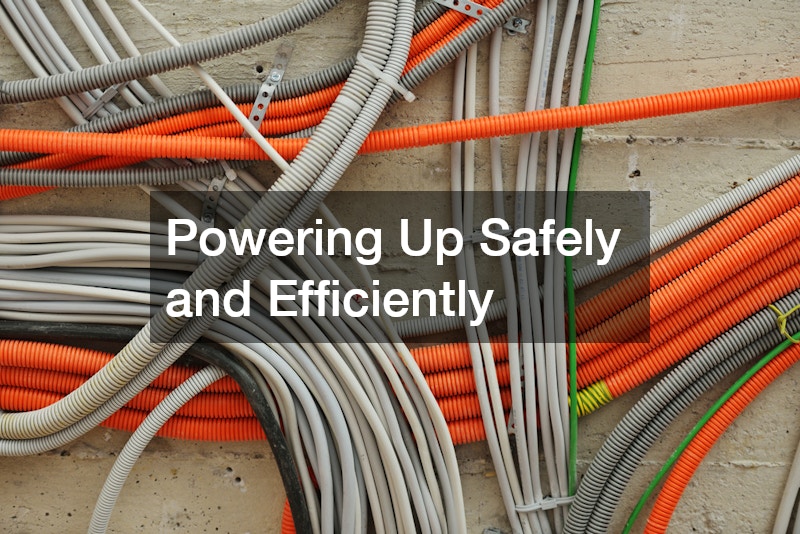
Older buildings especially were rarely wired for the number of computers, printers, and appliances a modern workspace demands. Overloaded circuits are not just inconvenient, they are a genuine fire risk that insurance companies take seriously. A licensed commercial electrician can assess your panel capacity and recommend upgrades before you plug in a single device. This step is often skipped by first timers who assume existing wiring will simply work.
Electrical work also affects your long term flexibility. If you plan to add servers, specialized machinery, or additional workstations later, it is cheaper to run extra circuits now than to retrofit walls after they are finished. Budgeting a few hundred to a few thousand dollars for electrical assessment early can prevent costly rework down the line.
Protecting Your Space and Your Team
Security is one of those costs people plan to add later, then forget until something goes wrong. Basic protection starts with reliable locks on all entry points, including back doors and windows that are easy to overlook during setup. Many owners now install home alarm systems adapted for commercial use, since they cost far less than enterprise-grade security packages while still offering solid coverage for a small office or studio.
These systems can alert you instantly if a door or window opens outside business hours, which matters especially if your workspace is unattended overnight. Look for options with cellular backup, so the alarm still works if someone cuts the phone line or Wi-Fi. Many also pair with smartphone apps, letting you check live camera feeds or arm the system remotely if you forget on your way out.
Beyond intrusion alerts, consider smoke and water sensors, especially if you’re storing inventory, electronics, or paper records that can be ruined quickly. Budget roughly $200 to $500 for basic equipment, plus a modest monthly monitoring fee, and factor in the cost of periodic testing so you’re not relying on a system that quietly stopped working months ago.
Cameras add another layer of protection that insurance providers often reward with lower premiums, sometimes shaving 5 to 20 percent off your commercial policy depending on the carrier and coverage type. Installing commercial security cameras near entrances, storage areas, and parking lots helps deter theft and gives you evidence if an incident occurs. Even a modest four to six camera setup can cover the main vulnerable points in a small office or retail space without a huge upfront investment.
Cloud based storage options mean you can review footage remotely without needing a dedicated server room, which saves both space and the cost of maintaining physical hardware. Most providers offer tiered plans based on how many days of footage you retain, so a 7 to 30 day rolling history is usually enough for everyday monitoring and incident review. Look for systems with motion alerts and mobile app access, since these features let you respond quickly to unusual activity even when you’re away from the workspace.
It’s also worth checking local regulations on where cameras can be placed, particularly around employee break rooms or restrooms, to avoid privacy complaints down the line. A quick conversation with your insurance provider before installation can confirm exactly which camera placements and retention periods qualify for premium discounts.
- Place cameras at all entry and exit points, plus loading docks and parking areas where break-ins are common
- Choose alarm systems with mobile app monitoring so you get real-time alerts even after hours
- Test equipment monthly to confirm cameras, sensors, and alarms are all working properly
- Keep footage backed up on the cloud for at least 30 days in case you need to review an incident
- Ask your insurer about discounts for monitored security, which can lower premiums by 5-20%
- Train employees on basic protocols, like locking up and who to call if the alarm triggers
Managing Paperwork and Data Responsibly
 Every new workspace generates paperwork, from contracts to employee records to client files, and much of it contains sensitive information. Simply tossing old documents in a recycling bin creates real risk of identity theft or data leaks. Many first time business owners set up a routine with secure document shredding services so sensitive files are destroyed properly and on a predictable schedule.
Building this habit early is far easier than trying to fix a backlog of boxes later. A shredding schedule, whether weekly or monthly, keeps clutter down and protects both your business and your clients. It also demonstrates professionalism if you ever face an audit or need to prove compliance with data protection standards.
Addressing the Building’s Exterior
The outside of your building affects both safety and first impressions, yet exterior maintenance is often the last thing people think about when budgeting. A leaking or aging roof can cause water damage that ruins equipment and interrupts operations for days. Bringing in commercial roofers for an inspection before you move in can reveal problems that are much cheaper to fix now than after a storm.
If your property includes any outdoor slopes, drainage areas, or unpaved sections, erosion control measures may also be necessary to protect the foundation and parking areas over time. Poor drainage can undermine pavement, create standing water, and eventually damage the building’s structure. Simple solutions like grading, mulch barriers, or retaining walls are often far less expensive than the repairs needed after years of unmanaged runoff.
- Schedule a roof inspection before signing a long lease
- Check gutters and downspouts for proper drainage
- Look for cracked pavement near entrances as an early warning sign
- Ask about warranty coverage on any exterior repairs
Finishing Floors and Surfaces That Last

Flooring takes more daily abuse than almost anything else in a workspace, especially in areas with foot traffic, rolling chairs, or heavy equipment. Concrete floors are popular for their durability, but untreated concrete can crack, stain, and produce dust over time. Hiring a commercial concrete coating contractor to apply a sealant or epoxy finish extends the life of the floor and makes cleaning significantly easier.
A quality coating also improves safety by reducing slip hazards, particularly in areas prone to spills or moisture. While the upfront cost may seem like an unnecessary upgrade, it typically pays for itself by delaying the need for a full floor replacement for many years.
Refreshing Furniture and Fixtures Instead of Replacing
Buying everything new for a first workspace can quickly drain a budget, which is why many owners look for ways to extend the life of what they already have. Metal desks, shelving, and fixtures often look worn simply due to surface rust or scratches rather than structural damage. Metal refinishing services can restore these pieces to a like new appearance for a fraction of the cost of buying replacements.
This approach is also more sustainable, reducing waste while still giving your space a polished, professional look. Refinishing can apply to filing cabinets, railings, and even exterior signage, making it a versatile option for stretching a limited setup budget further.
Budgeting for Ongoing Maintenance and Hidden Costs
Once the initial setup is complete, monthly maintenance becomes the next budget category people underestimate. Cleaning services, pest control, HVAC servicing, and minor repairs add up quietly over a year, often totaling hundreds of dollars a month depending on the size of the space. A general rule many businesses use is budgeting 1-2% of the property’s value annually for upkeep, though older buildings or heavily used equipment can push that higher.
Setting aside a dedicated maintenance fund, even a small one, prevents these routine costs from feeling like emergencies every time they appear. Consider opening a separate account specifically for this purpose and automating a modest monthly transfer, so the money is there when a filter needs replacing or a lock breaks. Reviewing service contracts annually also helps, since bundling cleaning and pest control with one vendor can sometimes reduce costs.
It also helps to review your budget every quarter during the first year, since actual usage patterns often differ from initial projections. You might budget $200 a month for utilities and internet, only to find summer cooling costs push that closer to $300, or discover that a software subscription you rarely use is quietly draining $50 a month. A simple spreadsheet tracking actual spend against projected spend for categories like utilities, subscriptions, cleaning, and equipment repairs makes these gaps easy to spot.
Adjusting early keeps small overspending from becoming a larger financial problem later. If any single category runs more than 10-15% over budget for two consecutive quarters, it’s worth renegotiating the contract, switching providers, or reallocating funds from an underused line item. Catching these shifts within the first year also gives you real data to build a more accurate budget going forward, rather than relying on estimates.
- Track maintenance costs separately from rent and utilities, using a dedicated line item for repairs, cleaning, and equipment upkeep
- Budget roughly 1-2% of your workspace’s value annually for general maintenance, even if nothing seems broken yet
- Reassess your budget every three months during year one, comparing actual spend against projections to catch surprises early
- Keep a small emergency fund covering at least one to two months of operating costs for unexpected repairs like HVAC failures or plumbing issues
- Set aside a separate reserve for equipment replacement, since printers, furniture, and appliances wear out faster than expected
- Review vendor contracts annually for better pricing, and don’t hesitate to renegotiate or switch providers for internet, cleaning, or maintenance services
- Ask vendors about price-lock clauses upfront to avoid mid-contract rate hikes that blow past your original budget
Setting up a first workspace involves far more than rent and furniture, but breaking the process into smaller categories makes the total cost much easier to manage. By planning for electrical work, security, exterior maintenance, and everyday upkeep from the start, you avoid the scramble that comes with surprise expenses. Take time to get multiple quotes, ask detailed questions, and build a realistic budget before you commit to a space. A little research now can save significant money and stress once your workspace is up and running.