
Relocating a commercial facility is a massive undertaking that goes far beyond packing boxes and updating corporate addresses. It represents a significant capital transition, a high-stakes operational shift that requires meticulous planning, substantial budget allocation, and precise orchestration across multiple technical industries. When an organization decides to move its headquarters, manufacturing plant, or distribution hub, the primary goal is clear: execute the transition with as close to zero downtime as possible. Any disruption to daily operations directly influences revenue, customer satisfaction, and employee morale. Companies move for a variety of reasons, including the need to scale up manufacturing lines, tap into better regional talent pools, optimize supply chain routes, or simply move away from an outdated facility with climbing maintenance costs.
Managing this level of corporate transition successfully demands a structured playbook. It requires leadership teams to analyze the physical infrastructure of both the current and future spaces. A chaotic move can quickly drain financial resources and leave a business scrambling to fix foundational problems after operations are supposed to be active. Conversely, a systematic approach treats relocation as a strategic project management asset. By addressing structural integrity, mechanical utility lines, safety compliance, and branding before the moving trucks arrive, a company ensures its new home is optimized for long-term growth. This guide outlines the essential phases of a facility relocation, offering a practical blueprint for leaders navigating this intricate process.
Phase 1: Structural Assessments and Architectural Adaptations
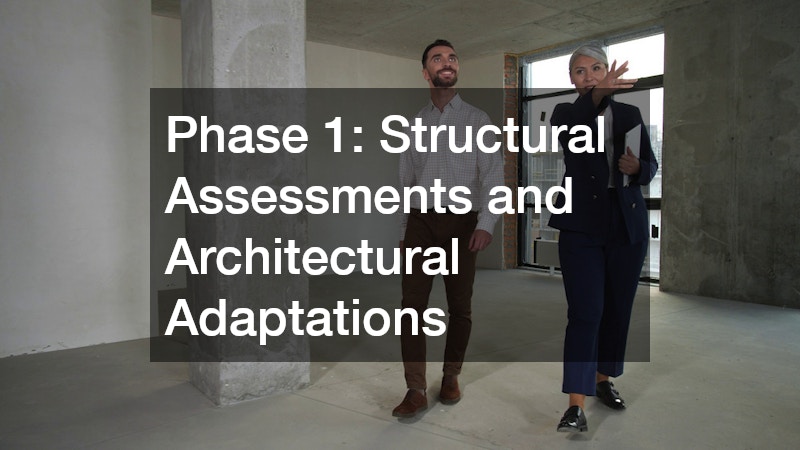
Moving to a new facility begins long before the first piece of equipment is packed. The initial step always involves an evaluation of the structural capabilities of the prospective site. Every business has unique spatial and physical requirements; a layout that worked perfectly for a previous tenant might present serious operational bottlenecks for the incoming organization. For instance, manufacturing plants require heavy machinery pads, corporate offices need open collaborative zones, and distribution centers require high-clearance loading bays.
To bridge the gap between a raw commercial shell and a fully functional corporate asset, an organization must collaborate early with an experienced commercial building contractor. This professional acts as the primary orchestrator for the interior structural transformation, managing local building permits, coordinating architectural drawings, and ensuring the property meets all municipal zoning regulations. They evaluate the load-bearing walls, assess fire-safety compliance, and determine how the existing layout can be modified to support new workflows. Trying to manage multiple subcontractors without this central oversight frequently leads to missed deadlines and code violations.
Often, the physical floor layout requires modifications to handle specialized business equipment. If the new facility needs heavy storage racks, automated machinery, or loading extensions, standard subfloors will not suffice. This is where professional concrete construction services become vital. Specialized crews pour reinforced foundations, install footings, and construct concrete pads designed to withstand thousands of pounds of pressure. Engineers calculate the precise thickness and rebar reinforcement needed to support the incoming machinery. Neglecting these early upgrades can lead to catastrophic floor settling later, which is far more expensive to fix once machinery is bolted down. Completing these structural updates during the initial empty phase ensures the relocation timeline remains secure and predictable.
Phase 2: Fortifying the Building Envelope and Exterior Logistics
Once the internal structural blueprint is set, attention must shift to the exterior of the property. A building’s outer shell is its primary defense against weather elements, environmental wear, and energy loss. A compromised roof or a cracked exterior can lead to water intrusion, ruining expensive machinery, electronic data servers, and inventory before the business even opens its doors.
A thorough inspection by a licensed commercial roofing contractor should be prioritized during the early stages of a facility acquisition. This specialist examines the roof membrane, checks drainage systems for standing water, inspects flashing around vents, and determines if the current system can handle the expected lifespan of the lease or ownership. If the roof requires patch repairs or a complete replacement, completing this work before installing delicate interior electronics avoids costly property damage. A well-insulated, modern commercial roof drastically reduces monthly energy bills, directly contributing to lower operational overhead. The roofing specialist can also advise on whether the structure can support future additions, such as solar panels or specialized rooftop HVAC equipment.
Simultaneously, the exterior logistical infrastructure must be optimized to handle the flow of employees, clients, and shipping vehicles. The pavement represents the first physical touchpoint for anyone visiting the new facility, influencing brand reputation and safety. Arranging for comprehensive parking lot paving solves several issues at once. High-quality asphalt or concrete surfacing prevents vehicle damage, eliminates tripping hazards, ensures compliance with accessibility rules, and establishes clear traffic lanes. Smooth, well-marked exterior surfaces facilitate efficient loading and unloading operations, creating a safer environment. Property managers must ensure the pavement grading directs water away from foundations to prevent long-term structural damage.
Phase 3: Enhancing Interior Surfaces for Long-Term Durability

With the roof secured and the exterior logistics flowing smoothly, the focus moves back indoors to prepare the interior flooring surfaces. Industrial and commercial floors take an immense amount of daily abuse from foot traffic, rolling carts, heavy forklifts, and chemical spills. Unprotected concrete floors generate fine dust over time, which can infiltrate sensitive electronics, compromise cleanroom environments, and pose respiratory health risks to employees.
To protect the building’s physical assets and maintain a pristine working environment, applying an industrial-grade concrete floor coating is a critical step. These specialized coatings, such as epoxy or polyaspartic systems, seal the porous concrete substrate, turning it into a seamless, impervious barrier. This surface preparation makes the floor highly resistant to oil stains, impact damage, and harsh chemical cleaning agents. Additionally, these coatings can be customized with anti-slip additives to improve workplace safety or tinted with distinct colors to designate specific walking paths and hazard zones.
Choosing the correct formulation requires analyzing the specific daily activities within the workspace. For instance, high-gloss solid epoxy coatings offer outstanding chemical resistance and light reflectivity, making them perfect for automotive bays, pharmaceutical laboratories, and commercial showrooms. On the other hand, spaces exposed to thermal shock or heavy impact, such as commercial kitchens and food processing plants, often benefit from quartz-infused systems that provide superior traction and durability. For advanced electronic assembly plants or server rooms, specialized anti-static options prevent harmful static electricity accumulation. Even basic dry storage warehouses profit from clear polyurethane sealers that focus on dust suppression and moisture barriers.
Before any treatment can be applied, the concrete must undergo rigorous preparation, which typically includes diamond grinding or shot blasting to open up the pores of the material. This ensures a strong mechanical bond between the concrete and the coating, preventing peeling and bubbling over time. Investing time in proper floor preparation yields massive dividends in facility longevity, reducing maintenance costs and ensuring the workspace remains clean and visually appealing for years to come.
Phase 4: Overhauling Mechanical, Electrical, and Plumbing Infrastructure
A commercial building is only as reliable as the hidden utility grids that power its operations. When transitioning to a new facility, a standard commercial layout rarely aligns perfectly with a new tenant’s specific power and fluid demands. Manufacturing lines require unique voltage distributions, office spaces need extensive data drops, and staff break rooms or laboratory spaces require robust water delivery and drainage networks.
Upgrading the facility’s power infrastructure requires close collaboration with commercial electricians. These professionals perform critical load calculations to ensure the incoming electrical service can support the total machinery demand without overloading breakers. They install dedicated circuits, run conduit lines, wire backup generators, and set up energy-efficient LED grids. Properly configured electrical systems prevent unexpected power surges or drops that can halt automated assembly lines. Electricians also play a key role in setting up low-voltage data networks and access control systems before employees arrive.
In tandem with electrical upgrades, the facility’s fluid dynamics must be thoroughly evaluated by commercial plumbers. This involves inspecting water main lines, assessing backflow preventer valves, and installing specialized plumbing fixtures like grease traps for food services or chemical neutralization tanks for laboratories. Clean water delivery and dependable waste removal are fundamental to maintaining employee health standards and meeting local environmental protection laws. Addressing hidden pipe corrosion, sewer line blockages, or inadequate water pressure prior to move-in avoids highly disruptive plumbing emergencies down the road. Furthermore, if the facility features large commercial restrooms or localized eye-wash safety stations, these systems must be pressure tested and certified by the plumbing team to ensure full operational compliance.
Phase 5: Environmental Controls and Workforce Brand Alignment
The internal climate of a commercial facility directly impacts employee productivity, equipment lifespan, and inventory preservation. Stagnant air, excessive humidity, or extreme temperature swings can cause sensitive electronic components to fail, cardboard packaging to degrade, and workforce efficiency to plummet. Therefore, optimizing the building’s climate control system is an essential step in the relocation playbook.
Engaging a certified commercial HVAC contractor allows a business to evaluate the health and capacity of the existing heating, ventilation, and air conditioning units. The technician can clean internal coils, replace outdated filtration units, calibrate digital thermostats, and balance airflow across different building zones. Good indoor air quality and precise climate management protect both human capital and physical inventory, making it a cornerstone of smart facility preparation. Regular maintenance agreements prevent sudden system failures during peak seasons.
As the physical infrastructure nears completion, the focus shifts toward preparing the human element of the transition. Moving to a new location can introduce anxiety among staff members regarding new routines, altered commutes, and updated operational procedures. Establishing a strong sense of unity and professional identity helps ease this transition and boosts company morale. Utilizing a local provider for bulk screen printing is an effective way to cultivate this corporate alignment. Producing high-quality, branded apparel like matching polo shirts, high-visibility safety vests, and custom outerwear ensures that every team member looks professional and feels included on day one. Furthermore, unified apparel helps facility security teams easily identify authorized personnel during the chaotic first few weeks of operation in the new space. It also turns employees into walking brand ambassadors within the new local community.
Phase 6: Executing the Physical Move and Managing Logistics
With the new facility completely upgraded, permitted, and branded, the final logistical hurdle is the actual physical transfer of company assets. This phase requires a calculated strategy to prevent asset damage, maintain inventory tracking, and keep the downtime window as narrow as possible. Attempting to manage a large-scale corporate relocation using internal staff and rental trucks frequently leads to injuries, damaged equipment, and extended operational delays.
The safest and most efficient path is to retain specialized commercial movers who possess the specific rigging equipment and heavy-duty vehicles required for industrial transitions. These professionals do not simply carry boxes; they formulate a detailed staging plan, create asset tracking logs, disassemble complex office furniture systems, and transport sensitive data servers using climate-controlled vehicles. They understand how to properly balance weight distributions on trucks and secure delicate diagnostic machinery to prevent internal calibration shifts during transport.
A clear labeling system should be established where every packed item corresponds to a specific zone or room number in the new facility blueprint. This allows the transport team to place items exactly where they belong upon arrival, eliminating internal search delays and keeping the unpacking process highly organized. Many companies choose to execute the physical move over a single weekend to minimize the impact on client-facing services, ensuring that customers experience a seamless continuation of business. By trusting the heavy lifting to seasoned logistics professionals, corporate leaders can focus entirely on onboarding staff to the new layout, testing communications systems, and verifying that all technical operations resume without a hitch.
Strategic Execution for Long-Term Capital Success

A successful commercial facility relocation is never a matter of luck; it is the direct result of proactive planning, strategic asset allocation, and working with the right specialized professionals. By treating each phase of the move – from structural concrete work and roofing updates to utility configurations and professional logistics – as an interconnected system, businesses protect their capital investments and secure their future operational workflow.
While the upfront coordination requires a significant investment of time and capital, the long-term returns are substantial. A properly prepared facility minimizes future maintenance disruptions, lowers monthly utility expenses, and provides an inspiring, safe environment where employees can thrive. Following a structured playbook transforms a stressful corporate move into a seamless, empowering milestone that sets the stage for the next chapter of organizational growth. When business leaders approach a relocation with a holistic mindset, the new facility becomes more than just a place to work; it becomes a powerful catalyst for efficiency, innovation, and long-term commercial success.