
A growing small business is a good problem to have, but the trash bins and pickup schedule you set up in year one rarely keep pace with year three. When waste starts piling up between collections, spilling out of bins, or costing you more in overage fees than you expected, it is a sign your current setup needs a second look. Recognizing these warning signs early can save you from fines, safety hazards, and unhappy neighbors or customers. Here is how to tell your waste management plan has fallen behind your business growth, and what to consider instead.
Overflowing Bins Between Scheduled Pickups
One of the clearest signs of an outgrown waste plan is trash that cannot wait for the next scheduled pickup. If your dumpster or bin is full days before collection day, you are likely generating more waste volume than your current service level was designed to handle. This creates a domino effect of loose trash, pest problems, and complaints from neighboring businesses or customers.
Rather than simply requesting more frequent pickups, it is worth evaluating whether a larger container size would solve the problem more efficiently. Many small businesses find that upgrading to 10 yard dumpster rentals reduces both cost per pound of waste and the hassle of managing multiple weekly pickups. Comparing dumpster rental options with your provider can help you pinpoint the right size before committing to a new contract.
- Trash bags piled next to or on top of a closed bin
- Staff having to compress or “stomp down” waste to fit more in
- Frequent complaints from property managers or neighbors about overflow
- Pickup crews leaving notes about oversized loads
Rising Costs From Frequent Extra Pickups
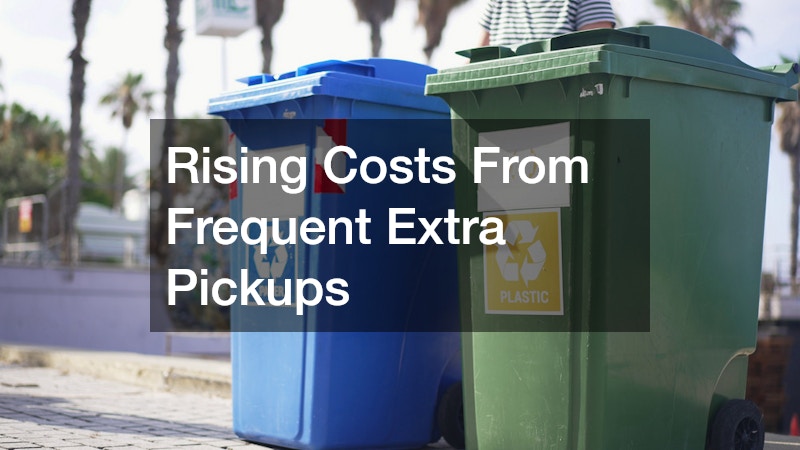
When your regular service cannot keep up, the natural response is to call for extra pickups, but this convenience adds up fast. Emergency or add-on pickups are typically priced at a premium compared to what is built into a standard contract, and those charges can quietly balloon your monthly waste budget. If you are reviewing invoices and seeing recurring surcharges, that is a financial signal your plan no longer fits your operation.
Tracking these costs over a few months can reveal whether it makes more sense to renegotiate your contract terms entirely. A business that has outgrown its plan often saves money by locking in a right-sized agreement instead of paying repeated overage fees.
- Compare your last six months of invoices for extra pickup charges
- Calculate the average monthly overage cost versus a plan upgrade
- Ask your provider if bundled or flat-rate options are available
- Factor in staff time spent coordinating last-minute pickups
New Waste Streams From Business Expansion
As businesses grow, they often start generating types of waste they did not produce before, such as packaging materials, food waste, construction debris from a renovation, or larger volumes of cardboard. A waste plan built around your original operations may not have the right container types or disposal categories to handle this shift. Mixing incompatible waste streams into one bin can also lead to contamination fees or rejected loads.
If your business has recently expanded its product line, added a kitchen, or renovated its space, it is worth asking a provider about specialized dumpster services tailored to those specific materials. Separating recyclables, organic waste, and general trash into appropriate containers often reduces disposal costs in the long run and keeps you compliant with local regulations.
- New packaging or shipping materials from increased inventory
- Food waste from an added café, break room, or kitchen
- Debris from office expansion or remodeling projects
- Electronic waste from upgraded equipment
Limited Space for Multiple Small Containers
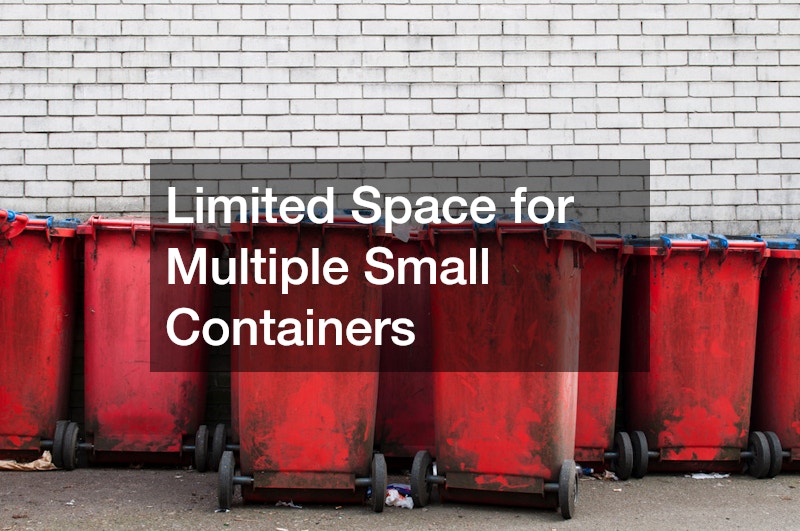
Some businesses try to manage growth by simply adding more small bins around the property, but this approach often backfires. Multiple containers take up valuable parking or loading dock space, create confusion about which bin is for what, and can actually be harder for haulers to service efficiently. If your lot is starting to look cluttered with mismatched trash cans and recycling bins, consolidation may be the smarter move.
A single larger unit can often replace three or four smaller bins while taking up a comparable or smaller footprint. This simplifies pickup logistics, reduces the number of service stops your hauler needs to make, and frees up space for customer parking or deliveries.
- Multiple bins scattered across the property instead of one central spot
- Delivery trucks struggling to access the loading area
- Staff confusion over sorting waste into the correct container
- Reduced curb appeal from cluttered exterior trash areas
Safety and Compliance Concerns on the Rise
An outgrown waste plan is not just an inconvenience, it can become a genuine safety issue. Overflowing bins attract pests like rodents and insects, create fire hazards from accumulated cardboard and debris, and can violate local health or fire codes if left unaddressed. Grease, food waste, and packaging materials left to pile up also produce odors and runoff that can draw complaints from neighboring businesses or residents. Municipalities often have strict rules about waste storage, including how far bins must be kept from building entrances, how quickly overflow must be addressed, and what materials can be stored outdoors overnight. Fire codes in particular tend to limit how much combustible material, like cardboard, pallets, or packaging, can accumulate near a structure. Repeated violations can result in fines, mandatory cleanup orders, or even forced closures until the issue is corrected. Beyond regulatory trouble, safety risks extend to employees and customers who navigate cluttered loading docks or blocked walkways. A single slip-and-fall incident tied to poorly managed waste areas can lead to costly liability claims. If your team is spending more time managing overflow or fielding complaints than running the business, that’s a clear sign your current plan can no longer keep pace with your operation’s needs.
If you’ve received a warning notice from a local inspector, noticed an uptick in pest activity near your waste area, or caught employees complaining about overflow and odors, treat these as urgent signals rather than minor annoyances. Overflowing dumpsters attract rodents and insects, which can trigger health code violations that carry fines ranging from a few hundred to several thousand dollars depending on your municipality and the severity of the issue. Repeat violations can also put your business license or health permit at risk, especially for restaurants, food retailers, and healthcare-adjacent businesses that operate under stricter regulatory scrutiny. Beyond the fines, an inspector’s report or a customer’s photo of an overflowing bin can end up online, doing lasting damage to your reputation long after the underlying problem is fixed. Addressing the root cause, whether that means more frequent pickups, a larger container, or an additional bin for a specific waste stream, protects both your business reputation and your bottom line. It’s also worth reviewing whether your current provider offers pest-resistant containers or locking lids, which can serve as a low-cost stopgap while you work out a longer-term solution.
- Warning letters or citations from local health or fire departments, especially repeat violations tied to overflowing dumpsters or improper storage
- Increased rodent or insect activity near waste storage areas, a sign that pickup frequency no longer matches the volume of waste generated
- Waste blocking fire exits, walkways, or emergency access points, which can trigger fines and puts staff and customers at real risk during an emergency
- Customer or employee complaints about odor and cleanliness, particularly during warmer months when overflow decomposes faster
- Overflowing bins that require staff to leave trash bags on the ground, creating trip hazards and inviting pests
- Missed pickups becoming more frequent as your provider’s schedule fails to keep pace with your business’s growth
If any of these signs sound familiar, your business has likely outgrown the waste management plan you started with, and that is a natural part of growth rather than a failure of planning. The good news is that solutions are usually straightforward once you identify the specific gap, whether it is container size, service frequency, or the range of materials being collected. Take a closer look at your recent invoices, walk your property with fresh eyes, and talk to your provider about options that match where your business is today. Making this adjustment now will save you money, reduce stress, and keep your operations running smoothly as you continue to grow.