

Starting a new business often costs far more than the number on a napkin sketch or a basic online calculator. Between equipment, staffing, safety compliance, and everyday operating supplies, the real price tag can catch even careful planners off guard. Whether you are exploring a manufacturing shop, a security firm, a restaurant, or a delivery service, understanding the hidden line items ahead of time helps you budget realistically and avoid painful surprises. This guide breaks down true startup costs across five common industries so you can plan with confidence.
Manufacturing and Machine Shop Equipment Investments

Manufacturing businesses often assume the biggest expense is the building lease, but the equipment inside it usually costs far more over time. A single CNC machining center can run anywhere from $50,000 for entry-level three-axis models to well over $500,000 for five-axis or multi-spindle systems, and most shops need several machines to handle varied job orders. Precision machining shops in particular require substantial upfront investment, and buyers frequently underestimate ongoing maintenance and tooling costs alongside the purchase price. Cutting tools, fixtures, and workholding equipment can add $10,000 to $30,000 per machine before the first part ever ships, and coolant systems, air compressors, and chip management equipment often get overlooked entirely during initial budgeting. Financing terms, warranty coverage, and installation fees can add thousands of dollars that never show up in the sticker price quoted by a dealer. Rigging and crane service to move heavy equipment into place can cost $2,000 to $10,000 depending on machine weight and facility access, while electrical upgrades for three-phase power sometimes require an additional $5,000 to $15,000 in contractor work. Extended warranties and service contracts typically add 5% to 10% of the machine’s price annually, but skipping them often proves costlier when spindle repairs alone can exceed $20,000. Buyers should also factor in operator training time, calibration costs, and the two- to six-week lead time many manufacturers require before equipment even arrives on the shop floor.
One of the largest single line items for a machining startup is the purchase of cnc machine centers, which can range from tens of thousands to well over a million dollars depending on capability and precision requirements. A basic 3-axis mill suitable for simple prototyping might land at $50,000 to $150,000, while a 5-axis machine capable of aerospace-grade tolerances can easily exceed $500,000 once tooling and fixturing are included. Buyers should also factor in software licensing, operator training, and calibration schedules, since a machine that sits idle during setup still accrues lease or loan payments. CAM software subscriptions alone can run several thousand dollars annually per seat, and skilled operators often need weeks of manufacturer-led training before they can run a new machine at full production speed. Calibration and preventive maintenance contracts, typically billed quarterly, should be budgeted from day one rather than treated as an afterthought. Used equipment can lower the initial outlay, but it often comes with higher repair costs down the road. A secondhand CNC center might cost 40-60% less than new, yet lack a warranty and require immediate spindle or ballscrew replacement that can run into five figures. Shops considering used machinery should budget for an independent inspection and factor in the likelihood of shorter remaining service life when calculating total cost of ownership.
- Get quotes on both new and certified pre-owned equipment before committing — used CNC machines can run 30-50% less but check hours logged and warranty coverage
- Ask about maintenance contracts and average annual service costs, which typically run 3-8% of equipment value per year
- Budget for operator certification and ongoing training, including CNC programming courses and safety certifications like OSHA 10/30
- Factor in electrical and ventilation upgrades the shop floor may need — heavy equipment often requires three-phase power, which can cost thousands to install if not already present
- Include rigging, delivery, and installation fees, which are frequently quoted separately and can add 5-15% to the equipment’s sticker price
- Set aside a contingency fund for tooling, fixtures, and consumables not included in the base machine price
Security Staffing and Facility Protection Expenses
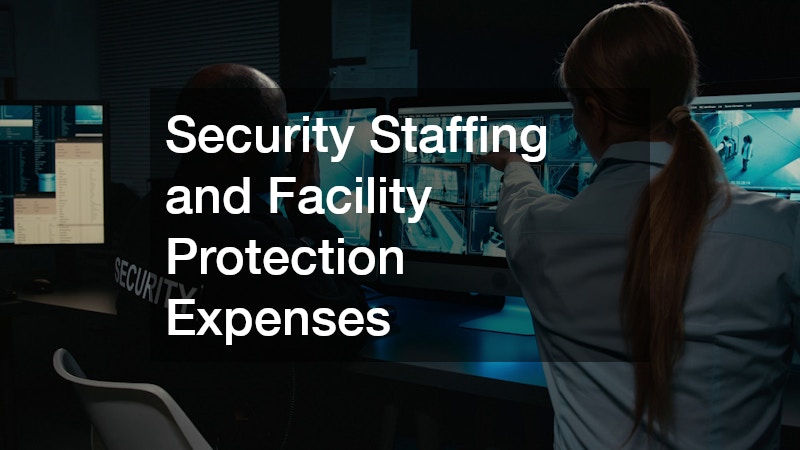
Businesses that handle cash, inventory, or sensitive materials often need to budget for physical security from day one, and this is an area new owners routinely underprice. Hiring trained personnel is not a one-time cost; it involves wages, licensing, insurance, and scheduling coverage for nights, weekends, and holidays. A single unarmed guard position covering all operating hours typically requires two to three employees once you account for shift rotations, sick days, and vacation coverage, and hourly rates for licensed guards commonly run $15 to $25 depending on region and experience. Beyond wages, owners must budget for state-mandated licensing and training certifications, which can range from a few hundred dollars per guard to over a thousand if firearms certification or specialized training is required. Uniforms, communication equipment, and background check fees add further costs that are easy to overlook during initial budgeting. Many owners are surprised to learn that liability insurance premiums rise noticeably once a facility introduces weapons-carrying staff into its security plan. Insurers view armed security as a higher-risk exposure, and premiums can increase by 20% or more compared to unarmed coverage alone. Beyond personnel, facility protection often includes surveillance systems, access control hardware, and monitored alarm services, each carrying installation costs plus ongoing monthly fees. Businesses should also factor in periodic system upgrades and maintenance contracts, since outdated cameras or malfunctioning locks can create liability gaps that undermine the entire security investment.
For higher-risk locations such as jewelry stores, cash-heavy retailers, or warehouses storing valuable goods, contracting armed guards is a common but costly line item. A single armed guard covering an eight-hour shift can run $25 to $45 per hour depending on region and experience level, which translates to $4,000 to $10,000 or more per month once you factor in overnight coverage, weekends, and holiday premiums. Unarmed security runs cheaper, typically $15 to $25 per hour, but may not satisfy insurance requirements for businesses holding significant inventory or cash reserves. Before signing a contract, ask about background check procedures, state licensing requirements, and whether the firm carries its own liability coverage. Confirm how guards are trained for de-escalation and emergency response, since a poorly vetted provider can expose you to lawsuits if an incident goes wrong. Also clarify billing details upfront — some firms charge a premium for holidays, last-minute schedule changes, or guard replacements due to illness. Comparing at least three vendors typically reveals a wide range in pricing for what looks like the same service on paper. Beyond guards, factor in complementary costs like surveillance camera systems, monitored alarm subscriptions, and access control hardware, which can add another few hundred to a few thousand dollars depending on facility size. Many businesses find that a hybrid approach — combining a smaller guard presence with strong electronic monitoring — delivers adequate protection at a lower ongoing cost than staffing alone.
- Confirm state licensing and firearm certification requirements, including whether guards carry active permits or need agency sponsorship
- Ask whether liability insurance is included or billed separately, and request proof of coverage limits (typically $1M-$2M per occurrence)
- Clarify shift minimums and overtime billing practices, including holiday rate multipliers and last-minute cancellation fees
- Request references from similar-sized businesses in your industry, not just the security firm’s largest clients
- Verify equipment costs upfront, such as radios, patrol vehicles, or surveillance monitoring add-ons
- Ask about guard turnover rates, since frequent staff changes increase retraining time and inconsistent coverage
Building Systems Inspections and Safety Compliance
Before opening any physical location, owners need to budget for inspections that go well beyond the basic fire marshal walkthrough. Electrical panels, HVAC systems, and wiring in older buildings can hide problems that are invisible to the naked eye but expensive to fix once discovered mid-lease. Skipping these checks to save money upfront often backfires when a preventable failure shuts down operations later.
A growing number of commercial property inspectors now offer infrared testing to detect overheating electrical components, moisture intrusion, and insulation gaps before they become costly emergencies. This diagnostic step typically costs a few hundred dollars but can prevent thousands in downtime or emergency repairs. Any business signing a lease on an older building should request this type of inspection as a condition of the agreement, not an optional add-on.
- Request documentation from any prior inspections the landlord has on file
- Schedule inspections before signing a lease, not after
- Ask whether the inspection report includes repair cost estimates
- Budget a contingency fund for issues found during inspection
Hiring Support and Talent Acquisition Fees

Payroll is an obvious startup cost, but the process of finding qualified employees often carries its own hidden price tag. Posting job listings, screening resumes, and conducting interviews takes significant time that many first-time owners underestimate, especially when they are also handling operations and sales. For specialized roles, doing it alone can drag out hiring timelines and cost more in lost productivity than the fee for professional help.
Many startups turn to recruiting agencies to fill technical or management positions quickly, and while fees typically range from fifteen to twenty-five percent of a new hire’s first-year salary, the time saved often justifies the cost. Before signing a contract, ask about replacement guarantees in case a hire does not work out within the first few months. It is also worth comparing agencies that specialize in your specific industry, since generalist recruiters may not understand the technical requirements of the role.
- Ask about guarantee periods for replacing a failed hire
- Compare flat-fee versus percentage-based pricing models
- Request candidate screening details before fees are charged
- Consider industry-specific agencies for technical roles
Custom Merchandise and Recognition Program Budgets
Businesses in retail, hospitality, and corporate services often overlook branded merchandise and recognition items as a recurring expense rather than a one-time purchase. Employee recognition programs, client gifts, and sales incentive trophies add up quickly once you account for design fees, engraving, and shipping. Ordering in bulk can reduce per-unit costs, but only if the business has accurately forecasted its annual need.
Companies that host award ceremonies or annual recognition events frequently order crystal awards and trophies as a way to mark milestones, and prices vary widely based on size, engraving complexity, and rush shipping fees. Planning these purchases months in advance, rather than ordering last minute, typically saves fifteen to thirty percent on both product and shipping costs. Businesses should also ask vendors about minimum order quantities, since small custom runs are often priced at a premium.
- Order recognition items at least eight weeks before the event date
- Ask about bulk pricing tiers and minimum order requirements
- Compare engraving fees across at least two vendors
- Factor in rush shipping costs for last-minute needs
Logistics and Time-Sensitive Delivery Arrangements

Any business that depends on receiving materials or shipping finished products needs to budget for both routine shipping and emergency logistics. Standard freight is relatively predictable, but urgent situations, such as a missed part delivery that halts production, can require last-minute solutions at a steep premium. New owners often forget to build this contingency into their first-year budget entirely.
When a shipment absolutely cannot wait for standard freight schedules, many businesses rely on a hot shot delivery service to move smaller loads quickly using a dedicated vehicle and driver. These services cost significantly more per mile than standard freight but can save a business from missing a client deadline or halting production for days. Building a relationship with a reliable provider before an emergency strikes, rather than searching under pressure, typically results in better pricing and faster response times.
- Get baseline quotes from at least two expedited delivery providers before you need one
- Ask about weight and size limits for smaller urgent shipments
- Clarify insurance coverage for time-sensitive freight
- Compare regional providers against national chains for pricing differences
Office Supplies, Printing Costs, and Kitchen Equipment
Day-to-day consumables rarely make it into a startup’s initial budget, yet they become a steady monthly expense almost immediately. Office printing alone can be more expensive than owners expect, particularly for businesses that print contracts, labels, or marketing materials regularly. Restaurants and food service startups face a similar pattern with kitchen consumables that need constant replenishment.
Replacing ink and toner cartridges is a recurring cost that adds up faster than most new business owners anticipate, especially for offices running multiple printers or high-volume copiers. Switching to a managed print service or buying compatible cartridges in bulk can cut this expense by a meaningful margin over a year. Meanwhile, food-based businesses need to plan for the price volatility of cooking oil, since commodity price swings can significantly affect monthly food cost percentages for fryers and high-volume kitchens. Locking in supplier contracts or exploring bulk purchasing co-ops can help stabilize this cost over time.
- Track monthly printing volume to right-size a supply contract
- Compare bulk cartridge pricing against subscription refill services
- Monitor commodity pricing trends for kitchen oil and stock accordingly
- Ask suppliers about locked-in pricing agreements for volatile goods
Equipment Resale and Asset Recovery Planning
Startup budgeting should not stop at acquisition costs; smart owners also plan for how unused assets or surplus materials might be converted back into cash. This is especially relevant for businesses handling valuable metals, retired equipment, or leftover inventory that no longer serves the operation. Building an exit or resale strategy into your financial plan from the beginning can soften the blow of early cash flow gaps.
Businesses that work with jewelry, electronics components, or scrap materials should research the best place to sell gold and other recoverable metals well before they need the cash, since prices and buyer reputations vary significantly. Reputable buyers offer transparent pricing based on current market rates and provide documentation for tax and accounting purposes. Comparing at least three buyers, including local dealers and reputable online refiners, typically ensures a fair price rather than settling for the first offer received.
- Compare at least three buyers before selling recoverable materials
- Ask for documentation of current market rates at time of sale
- Avoid buyers who pressure for an immediate decision
- Keep records of all resale transactions for tax purposes
True startup costs rarely match the estimates found in generic business plan templates, and the categories above show just how many industry-specific expenses can slip through the cracks. The best defense is thorough research: get multiple quotes, ask vendors detailed questions, and build a contingency fund for the surprises every new business inevitably faces. Taking the time now to map out these real costs will put you in a far stronger position than owners who discover them the hard way after opening their doors.